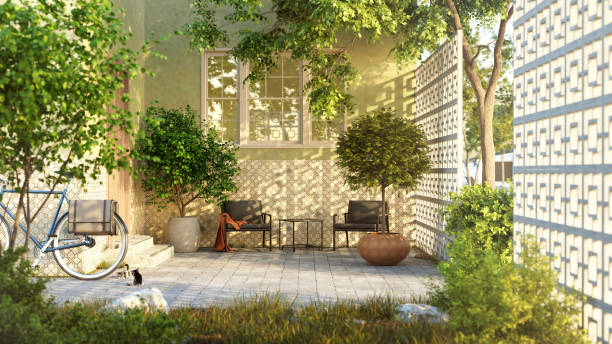
Fall is often overlooked as an ideal time for landscaping, but in reality, it offers some of the best conditions for creating or improving your outdoor space. The combination of cooler weather, soil conditions, and seasonal advantages makes it particularly favorable for landscaping projects.
Creating Ideal Growing Conditions with Milton, MA Landscape Design
One of the primary reasons fall is a great time to landscape is that the cooler temperatures provide an optimal environment for planting and maintenance. Plants experience less stress during their establishment phase when the air is cooler and there’s still some warmth in the soil.
- Soil Retains Heat: Summer’s residual heat in the soil helps roots establish more efficiently before winter arrives.
- Reduced Water Requirements: Cooler temperatures reduce evaporation rates, meaning less frequent watering is needed compared to spring or summer plantings.
- Minimal Pest Activity: Many garden pests become less active in fall, providing a safer environment for new plants to thrive without heavy interference.
Seasonal Planting Advantages for Milton, MA Landscaping
Certain plants thrive when planted during fall. Cool-season grasses, bulbs (like tulips and daffodils), trees, and shrubs can be planted now so they’re ready to bloom beautifully come spring.
| Plant Type | Examples | Reason for Fall Planting |
| Trees | Oak, Maple, Dogwood | Develop strong roots before spring bloom |
| Shrubs | Boxwood, Holly | Prepare for growth with reduced stress |
| Perennials | Daylilies, Hostas | Dormant planting ensures longevity |
| Spring Bulbs | Tulips, Crocus | Require cold months to germinate |
Efficient Use of Time and Resources
- Cooler days make outdoor work more enjoyable compared to summer’s heat.
- Landscapers are often less busy during this season than in spring or summer.
- There’s ample time to plan hardscape upgrades or other structural changes in preparation for winter.
Preparing Your Lawn and Garden for Next Year
- Aerating Soil: Loosens compacted soil so roots can absorb nutrients effectively.
- Overseeding Lawns: Adds grass seed to thin patches while giving seeds time to grow before frost.
- Mulching Beds: Protects plant roots from freezing temperatures while retaining moisture.
- Leaf Management: Excess leaves should be composted or mulched rather than left on grass where they may contribute to mold or suffocation.
Hardscaping Opportunities
In addition to planting opportunities, fall provides an excellent chance for hardscaping projects like building patios, walkways, retaining walls, or fire pits due to dry conditions being easier on construction efforts.
By taking advantage of fall landscaping opportunities—whether through planting new greenery or designing creative hardscape solutions—you not only enhance your property’s curb appeal but also lay a solid foundation for seasons ahead.
Landscaping Milton, MA: How to See Landscape Design as a Long-Term Investment for Resale Value
Landscaping is more than just an aesthetic enhancement; it’s a strategic investment that can significantly boost the resale value of your home. Prospective buyers are often drawn to properties with well-designed outdoor spaces, making landscape design a critical component of overall property value. By viewing landscaping as a long-term investment, homeowners can enjoy both an improved living environment now and increased financial returns later. Below are key insights and strategies to approach landscape design with resale value in mind.
Curb Appeal: The First Impression Matters
- Lush Lawns: A healthy, green lawn signals proper upkeep and care. Routine maintenance like aeration, fertilization, and irrigation ensures the grass thrives year-round.
- Defined Entryways: Enhance pathways or driveways with decorative hardscaping or bordered flowerbeds to emphasize structure and aesthetics.
- Seasonal Plantings: Incorporating seasonal flowers or plants adds color and vibrancy to outdoor spaces throughout the year.
Landscaping ROI: What Adds Value?
- Patios, decks, or outdoor kitchens are highly valued by buyers looking to maximize usable space outside the home.
- These spaces create opportunities for hosting gatherings or relaxing in nature’s comfort.
- Smart irrigation systems reduce water waste while maintaining vibrant landscapes.
- Automated sprinklers and drip systems help preserve resources while keeping plants healthy.
- Mature trees not only offer shade but also improve air quality and energy efficiency by lowering cooling costs in summer months.
- Homes with mature trees have been shown to sell at higher prices compared to those without.
- Native vegetation requires less water and maintenance, appealing to eco-conscious buyers.
- Sustainable practices like rain gardens or permeable pavers also boost environmental appeal.
Cost vs Value Table
| Landscaping Project | Average Cost | Estimated Return (%) | Notes |
| Basic Lawn Maintenance | $300-$500/year | 267% | Includes mowing, weeding |
| Patio Installation | $4,000-$10,000 | 55% | Depends on size/materials used |
| Mature Tree Planting | $1,000/tree | 100%-200% | Impact grows over time |
| Landscape Lighting | $2,000-$5,000 | 50%-60% | Enhances safety & nighttime use |
Building Long-Term Equity Through Landscaping
- Work with professional designers who understand market trends in your area.
- Focus on scalable projects that can grow over time (e.g., planting trees or shrubs).
- Maintain consistency between indoor design themes and outdoor aesthetics—this creates a seamless flow that feels intentional.
By treating landscape design as an integral part of property ownership rather than just an expense, homeowners can reap benefits both during their time at the residence and when it’s time to sell.
Discover How Milton, MA Landscapes Can Boost Resale Value as a Long-Term Investment
Investing in landscape design is more than just enhancing the aesthetic appeal of your home—it’s a strategic decision that can yield significant returns when it’s time to sell. Thoughtful landscaping has the potential to increase property value, improve curb appeal, and make your home more appealing to prospective buyers. Here’s how you can view and approach landscape design as a long-term investment for resale value.
The Importance of Curb Appeal
Curb appeal is one of the most critical factors influencing a buyer’s first impression. Well-maintained landscaping can set your property apart in the market by creating an inviting and attractive exterior. Key elements of curb appeal include: – A well-maintained lawn – Healthy trees and shrubs – Professionally designed hardscapes such as walkways or driveways – Seasonal flowers that add color and vibrancy
An attractive yard not only improves the overall appearance of your home but also signals to buyers that other aspects of the property are likely well cared for.
Landscaping Features with High ROI
Certain landscaping features provide better returns on investment than others. Consider incorporating these elements into your outdoor design for long-term benefits: 1. Trees: Strategic tree planting provides shade, reduces energy costs, and enhances air quality—all while adding property value. 2. Patios or Decks: Outdoor living spaces such as patios, decks, or outdoor kitchens are highly desirable among buyers. 3. Irrigation Systems: Automated irrigation systems are convenient and ensure consistent lawn care, which appeals to busy homeowners. 4. Hardscaping: Features like retaining walls, stone pathways, or fire pits blend functionality with aesthetic value.
| Landscaping Feature | Estimated ROI (%) |
| Trees | 100–200 |
| Patios/Decks | 80–120 |
| Irrigation Systems | 85–100 |
| Hardscaping (walkways) | 70–90 |
Long-Term Landscaping Strategies
To maximize the benefits of landscaping as an investment: – Choose Native Plants: Native plants require less water and maintenance, reducing costs over time. – Plan for Growth: Design your landscape with plant maturity in mind so it continues to look balanced as plants grow. – Prioritize Sustainability: Eco-friendly features like rain gardens or permeable pavers not only appeal to modern buyers but also reduce environmental impact. – Opt for Low-Maintenance Designs: Buyers often prefer landscaping that won’t demand extensive upkeep.
Partnering with Professionals
Consulting a professional landscaper or designer ensures you’re making cost-effective decisions tailored to your specific property needs. Experts can help plan intricate details like drainage systems, proper plant placement, and harmonious designs that enhance both form and function.
By viewing landscape design through this investment-focused lens, you’re not just creating an outdoor space you’ll enjoy today—you’re cultivating an asset that grows alongside the value of your home over time.
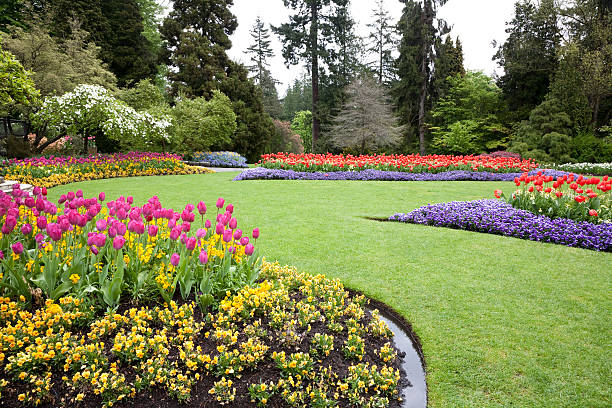
Protecting Your Plants from Heat Stress: Tips from Landscapers Milton, MA
Keeping plants healthy during periods of intense heat can be challenging for any homeowner or landscaping enthusiast. High temperatures can lead to heat stress in plants, causing wilting, leaf drops, reduced growth, and even death. Employing strategic techniques like mulching, shading, and other practices can help protect your greenery and ensure they thrive even in extreme conditions.
The Role of Mulching in Combatting Heat Stress
Mulching is one of the most effective ways to preserve soil moisture and moderate soil temperature during hot weather. By applying a layer of organic or inorganic material around the base of your plants, you create a barrier that protects roots from excessive heat.
Types of Mulch Suitable for Heat Protection:
– Organic Mulch: Bark chips, shredded leaves, grass clippings, straw.
– Inorganic Mulch: Pebbles, landscape fabric, gravel.
Benefits:
– Reduces water evaporation from the soil. – Keeps roots cool by insulating them from direct sun exposure. – Minimizes weed growth which competes for water resources. – Enriches the soil (in the case of organic mulch) as it decomposes over time.
Shading Techniques to Protect Sensitive Plants
Shading is another effective method to protect plants from scorching sunlight. This strategy works particularly well for delicate or young plants that may not yet have strong root systems or mature foliage.
Methods for Creating Shade:
1. Shade Cloths: Use UV-resistant shade cloths available in varying densities (30%-90%) depending on your plant’s needs. 2. Temporary Structures: Install pergolas or retractable awnings over garden beds. 3. Natural Shade Solutions: Plant taller shrubs or trees nearby to cast natural shade.
Using these solutions not only reduces heat stress but also prevents sunburn on leaves and fruits—a common issue during peak summer months.
Other Techniques for Heat Stress Prevention
- Water early in the morning or late evening to reduce evaporation.
- Use drip irrigation systems to deliver water directly to plant roots efficiently.
- Avoid watering leaves during intense sunlight as it may cause sunscald.
- Incorporate compost or clay-based soil conditioners to improve water retention.
- Ensure proper drainage to prevent root rot caused by excessive watering.
- Opt for drought-tolerant native species that are better adapted to local climates.
- Group plants with similar water and light needs together for easier care.
Table: Comparison of Heat Protection Techniques
| Technique | Benefits | Best For | Cost Range |
| Mulching | Conserves moisture; Insulates soil | All types of gardens | Low |
| Shade Cloths | Blocks UV rays; Prevents leaf burn | Vegetable gardens; delicate flowers | Moderate |
| Drip Irrigation | Precise watering; Reduces evaporation | Lawns; large garden beds | Moderate |
| Natural Shade | Long-term solution; Aesthetic value | Mixed landscapes | Variable |
Final Thoughts on Plant Protection During Heatwaves
The combination of these techniques—mulching, shading, proper watering practices—can help reduce environmental stressors on your plants while ensuring their health year-round. By implementing these strategies thoughtfully within your landscaping plan, not only will you safeguard your greenery against extreme weather conditions but also enhance their beauty and longevity over time.
Elevate Your Outdoors with Expert Landscape Design Milton, MA
Landscaping is more than just a way to beautify your property – it’s an opportunity to create a functional, enjoyable, and visually appealing outdoor space that reflects your style. Innovative landscaping ideas allow homeowners to break free from traditional designs and embrace creativity while enhancing the overall utility of their outdoor spaces. Below are some creative concepts that can inspire you to transform your landscape into a captivating retreat.
1. Integrate Multi-Functional Features
To maximize the usability of your outdoor space, consider incorporating multi-functional elements into your design. These features can serve various purposes while maintaining visual harmony.
- Fire Pit Tables: Combine warmth with functionality by adding a fire pit that doubles as a table for entertaining guests.
- Built-In Seating: Instead of using standalone furniture, opt for built-in benches or seating walls around patios and walkways.
- Vertical Gardens: Perfect for smaller yards, vertical gardens save space while adding greenery and texture.
2. Create Outdoor Living Rooms
Extend your indoor lifestyle outdoors by creating designated areas for relaxation, dining, or entertaining.
| Feature | Purpose | Benefits |
| Pergolas | Shade and structure | Adds architectural interest |
| Outdoor Kitchens | Cooking and dining convenience | Ideal for hosting gatherings |
| Weatherproof Furniture | Comfort in all seasons | Durable designs maintain outdoor appeal |
By blending natural elements like stone or wood with modern materials, you can craft cozy spaces that encourage year-round use.
3. Use Creative Lighting Options
Outdoor lighting does more than illuminate – it sets the mood and enhances safety after dark.
- String Lights: Add charm to patios or decks with hanging string lights.
- Path Lighting: Install low-voltage lights along pathways to highlight walkways and prevent accidents.
- Up-Lighting: Use ground-mounted lights to accentuate trees or architectural features.
Thoughtful lighting choices make evenings outdoors magical while improving the functionality of your landscape after sunset.
4. Incorporate Water Elements
- Small fountains for courtyards or entryways
- Pondless waterfalls for low-maintenance beauty
- Reflecting pools to create a serene atmosphere
The sound of running water adds calmness to any garden design while attracting wildlife like birds or butterflies.
5. Experiment with Native Plants
- Grouping drought-resistant plants together in rock gardens
- Planting wildflower meadows as eco-friendly alternatives to large lawns
- Using ornamental grasses as striking borders
Native plants reduce water consumption, minimize pest issues, and blend seamlessly into regional landscapes.
Transforming an ordinary yard into an extraordinary outdoor escape requires thoughtful planning paired with innovative ideas tailored to your lifestyle needs. By mixing functionality, aesthetics, and sustainability, you’ll create a landscape that remains timeless while providing years of enjoyment.
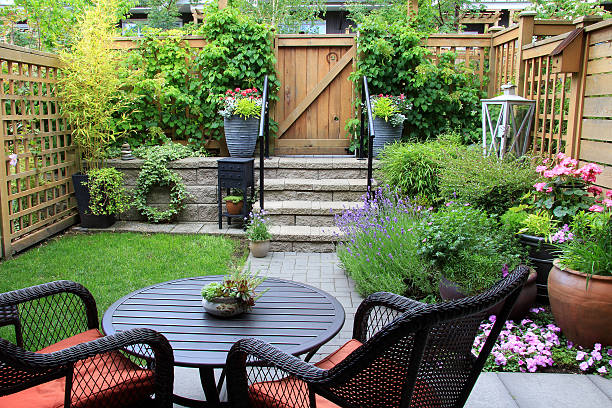
Top Ten Low-Maintenance Plants Recommended by a Landscaper in Milton, MA for Beautiful Landscaping Designs
Low-maintenance plants are an excellent choice for homeowners who want a stunning landscape without dedicating significant time to upkeep. These plants are resilient, adaptable, and require minimal care, making them perfect for both seasoned gardeners and beginners. Here is a curated list of ten low-maintenance plants that can enhance your landscaping design while saving you effort.
1. Lavender
- Why Choose It: Lavender is drought-tolerant and thrives in well-drained soil with plenty of sunlight.
- Benefits: Its fragrant blooms attract pollinators like bees and butterflies, adding life to your outdoor space.
- Care Tips: Prune once a year to encourage new growth.
2. Hostas
- Why Choose It: Known for their lush foliage, hostas come in a variety of colors and patterns.
- Benefits: Ideal for shaded areas where other plants might struggle.
- Care Tips: Require only occasional watering and thrive in fertile, well-drained soil.
3. Sedum (Stonecrop)
- Why Choose It: A hardy succulent that performs well in dry conditions.
- Benefits: Adds texture to flower beds or rock gardens with its thick, water-storing leaves.
- Care Tips: Needs little water or attention beyond basic pruning.
4. Coneflowers (Echinacea)
- Why Choose It: These vibrant perennials are drought-tolerant once established.
- Benefits: Their long-lasting blooms create visual interest while attracting birds and insects.
- Care Tips: Deadhead spent flowers to encourage further blooming.
5. Ornamental Grasses
| Example Varieties | Characteristics | Best Placement |
| Blue Fescue | Compact with silver-blue hue | Borders or containers |
| Miscanthus | Tall with feathery plumes | Privacy screens |
| Fountain Grass | Graceful arching leaves | Accent points |
6. Daylilies
- Why Choose It: With numerous color options, daylilies can brighten any yard effortlessly.
- Benefits: They are pest-resistant and thrive in diverse climates.
- Care Tips: Divide clumps every 3–5 years to prevent overcrowding.
7. Boxwoods
- Why Choose It: Evergreen shrubs that maintain their shape year-round.
- Benefits: Perfect for hedges or as standalone accents due to their compact growth habit.
- Care Tips: Light trimming keeps them looking tidy.
8. Black-Eyed Susans
- Why Choose It: A cheerful flower that tolerates poor soils and neglect.
- Benefits: Creates bright patches of yellow throughout the summer season.
- Care Tips: Water sparingly after establishment.
9. Russian Sage
- Drought-resistant perennial known for its tall, silvery foliage and purple flowers.
- Requires full sunlight but minimal watering once rooted.
10. Ferns
Ferns are ideal for adding greenery to shaded areas: * Thrive in moist, well-drained soils under partial shade. * Examples include maidenhair ferns or Boston ferns that add softness to your design.
Top Benefits of Choosing Low-Maintenance Plants from Landscaping Companies in Milton, MA
- Saves Time – Minimal watering, pruning, or fertilizing is required.
- Cost Efficiency – Fewer maintenance expenses over time (e.g., water usage).
- Sustainability – Many low-maintenance plants support biodiversity by attracting beneficial species like bees or birds naturally without pesticides or fertilizers.
By incorporating these resilient plants into your landscaping plans, you can enjoy both beauty and ease all year round while creating an inviting outdoor environment fit for any homeowner’s needs.
How Lawn Care Milton, MA Experts Create Stunning and Functional Outdoor Spaces
Landscaping is more than just an aesthetic enhancement for your property; it plays a vital role in creating outdoor spaces that are both visually appealing and highly functional. Whether you’re planning to increase your home’s curb appeal, create a relaxing retreat in your backyard, or design an area suitable for entertaining guests, landscaping is a transformative tool that can turn your vision into reality.
Benefits of Landscaping for Your Outdoor Space
- A well-planned landscape design can significantly enhance the beauty of your property.
- Thoughtful use of plants, hardscapes, and lighting creates a cohesive outdoor setting that complements your home’s architecture.
- Properly designed landscapes create focal points such as flower beds, water features, or stone pathways that draw attention and add elegance.
- Landscaping can help organize outdoor spaces into specific zones for relaxation, dining, gardening, or play areas.
- Functional additions like patios, fire pits, pergolas, or outdoor kitchens make spaces versatile and enjoyable year-round.
- Strategic planting can provide natural windbreaks or shade to make your yard more comfortable during extreme weather.
- Increased Property Value
A professionally landscaped home typically has higher resale value compared to properties with minimal landscaping. Real estate experts estimate that good landscaping can add up to 15% more value to a property.
How Landscaping Creates Stunning Outdoor Spaces
- Incorporate Diverse Elements: Combine softscape (plants) with hardscape (stone pathways or walls) for variety and contrast.
- Use Color Thoughtfully: Opt for plants with seasonal blooms or foliage colors to keep the landscape vibrant throughout the year.
- Add Layers: Incorporate plants of different heights—ground cover plants, shrubs, and tall trees—to add depth and dimension.
A well-curated balance between these elements ensures an eye-catching yet natural aesthetic.
Making Outdoor Spaces Functional Through Design
| Design Element | Purpose | Example Features |
| Zoning | Define areas for specific uses | Patio (entertaining), Lawn (play) |
| Pathways | Provide easy navigation | Gravel paths or stepping stones |
| Shade Structures | Increase comfort during hot seasons | Pergolas or shade sails |
| Efficient Irrigation | Promote sustainable maintenance | Drip irrigation systems |
Strategically placing these elements boosts the efficiency of the space while maintaining its beauty.
Sustainability Matters in Landscaping
Modern landscaping trends also emphasize sustainability:
– Use native plants to conserve water and reduce maintenance needs. – Install rain gardens to absorb runoff while adding unique aesthetics. – Opt for permeable paving solutions to allow water infiltration rather than runoff.
Incorporating eco-conscious designs not only benefits the environment but also reduces long-term upkeep costs.
Landscaping integrates visual charm with practicality when planned thoughtfully. By combining creative design principles with functionality-focused features, homeowners can truly enhance their outdoor spaces into places where beauty meets purpose effortlessly.
- The Best Time for Landscapers Milton, MA to Start Your Project for Stunning Results
- Discover Why Fall Is the Perfect Season for Milton, MA Landscape Enhancements
- 13 Easy Lawn Care Tips to Enhance Your Landscaping Milton, MA
- Essential Fall Lawn Care Tips for Milton, MA Landscape Maintenance
- Key Factors to Consider for Lawn Care Boston, MA
- The Best Time of Year to Plan and Execute Milton, MA Landscape Projects
- The Best Time to Begin Your Milton, MA Landscape Project
- The Best Time to Plant New Plants for Milton, MA Landscapes Optimal Growth