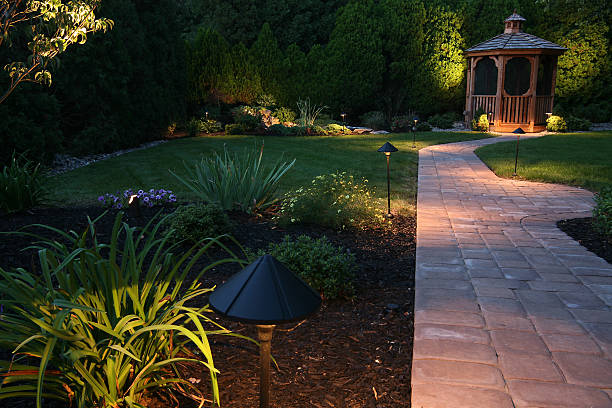
Timing is everything, as it determines plant growth, soil readiness, and how efficiently you can carry out your project. Below is an overview of how seasonality impacts landscaping and guidance on choosing the best time to begin your work.
Before diving into a project, consider several elements that influence when you should start:
– Climate and Weather: Local climate greatly affects planting schedules and project timelines.
– Type of Project: Hardscaping (patios, walkways) may be less weather-dependent than planting trees or shrubs.
– Plant Selection: Different plants have specific growing seasons for optimal establishment in your yard.
Best Times for Boston, MA Landscape Design Projects
- Why Spring?Spring is one of the most popular times for landscaping because many plants thrive when planted during this season. The mild temperatures and increased rainfall help roots establish quickly in the soil.
- Planting flowers, shrubs, or trees that bloom in summer or fall
- Installing irrigation systems before peak watering season arrives
- Refreshing lawn areas with sod or seed
- Why Summer?While summer can be challenging due to high temperatures, certain projects like hardscaping are ideal during this time because dry weather provides stable conditions for construction work. However, keep in mind that mid-summer heat can stress new plants if proper watering is not maintained.
- Building patios, decks, and outdoor kitchens
- Adding mulch to beds to retain soil moisture
- Installing shade structures like pergolas
- Why Fall?Autumn’s cooler temperatures are perfect for planting many types of perennials and trees as they focus on root growth rather than foliage development during this period.
- Adding new trees or shrubs that require a dormancy phase before spring growth
- Preparing garden beds with compost or fertilizer
- Installing landscape lighting as daylight hours decrease
- Winter
While winter is typically considered off-season for landscaping in colder regions due to frozen ground, it still offers opportunities in milder climates or when performing preparatory tasks indoors or on hardscaping features.
Seasonal Guide to Boston, MA Landscaping
| Season | Ideal Projects | Key Benefits |
| Spring | Planting flowers/shrubs; irrigation | Easy plant root establishment |
| Summer | Hardscaping; mulching; shade structures | Dry weather aids construction |
| Fall | Tree/shrub planting; lighting upgrades | Ideal temperature & focus on root growth |
| Winter | Planning/designing; Indoor prep | More affordable contractor rates |
Tips for Success Across All Seasons
- Research local frost dates to avoid planting too early or late.
- If working with professionals, book them early as their schedules fill up fast during peak seasons.
- Regularly monitor weather forecasts since unexpected storms could delay progress.
Proper planning sets the stage for lasting success year-round.
Finding the Best Landscaping Style for Your Vision in Boston, MA
With a variety of landscaping styles available, choosing one can seem overwhelming. Below, we will explore how to identify the perfect design that aligns with your vision and lifestyle.
Factors to Consider When Choosing a Landscaping Style
- Personal Preferences:Think about what inspires you in nature or design. Do you prefer formal gardens or naturalistic settings?
- Climate:Account for local weather conditions when selecting plants, materials, and overall themes.
- Property Architecture:Ensure the landscaping complements your home’s architectural style for a cohesive look.
- Lifestyle Needs:Consider how you want to use the space—entertaining guests, relaxation, gardening, or recreation?
- Maintenance Requirements:Choose a style that aligns with how much time and effort you’re willing to invest in upkeep.
Popular Landscaping Styles
| Style | Description | Best Suited For |
| Modern/Minimalist | Clean lines with sleek materials like concrete and metal; often features geometric shapes | Contemporary homes; low-maintenance enthusiasts |
| Cottage Garden | A mix of colorful flowers, winding paths, and charming accents | Romantic settings; garden lovers |
| Mediterranean | Drought-tolerant plants like lavender and olive trees paired with stonework | Warm climates; rustic aesthetics |
| Japanese Garden | Focuses on simplicity using water features, rocks, mosses, and serene plants | Peaceful retreats; Zen-like spaces |
| Desert/Xeriscape | Succulents, cacti, gravel pathways; designed for water conservation | Arid regions; eco-conscious homeowners |
Matching Your Vision with Functionality
- Create a mood board or visual representation of ideas that resonate with you.
- Assess how each idea fits within the practical constraints of size and terrain on your property.
- Collaborate with professional landscapers if needed to refine creative concepts into functional designs.
Tips for Harmonizing Your Landscaping Style
- Use consistent materials throughout pathways, patios, fences, or furniture for visual unity.
- Incorporate native plants to blend naturally into the surrounding environment while reducing maintenance needs.
- Strike balance by mixing hardscape elements (e. g. , stone walls) with lush greenery for depth.
Selecting a landscaping style tailored to both aesthetics and functionality can significantly enhance your outdoor living experience while boosting your property’s value over time.
Finding Inspiration from Boston, MA Landscapes to Match Your Vision and Lifestyle
From modern minimalism to lush, nature-inspired designs, every style has its unique charm and purpose. Below, we’ll explore key factors to consider and popular landscaping styles to help you make an informed decision.
Factors to Consider When Choosing a Landscaping Style
- Property Size and Layout
The size of your yard or garden will influence which styles are suitable. For example, expansive properties can accommodate sprawling naturalistic designs, while smaller spaces thrive with minimalist or vertical gardens. - Climate and Soil Type
Understanding your local climate conditions and soil type ensures that you choose plants and materials that will thrive in your region. - Maintenance Level
Some landscaping styles require frequent upkeep (e. g. , English gardens), while others are more low-maintenance (e. g. , xeriscaping). Choose a style that fits within the time you can dedicate to maintaining it. - Personal Aesthetic Preferences
- Functionality Needs
If you frequently entertain guests or need play areas for children or pets, prioritize functionality alongside aesthetics.
Popular Landscaping Styles
| Landscaping Style | Key Features | Maintenance Level |
| Modern/Contemporary | Clean lines, geometric shapes, minimal plantings | Low |
| Tropical | Dense greenery, exotic plants like palms | High |
| English Garden | Vibrant flowers, lush greenery | Medium to High |
| Japanese Zen Garden | Minimalist design with rocks & water features | Low |
| Mediterranean | Drought-resistant plants like lavender | Medium |
Matching Landscaping Styles to Your Lifestyle
- For Busy Professionals:Modern/contemporary landscapes with drought-tolerant plants like succulents ensure beauty without requiring constant attention.
- For Nature Enthusiasts:Opt for naturalistic or woodland-inspired designs featuring native plants that attract birds and pollinators.
- For Families:A functional layout with durable surfaces (such as stone pavers) combined with safe lawn areas is ideal.
- For Entertainers:Consider Mediterranean-style patios or spaces with pergolas for alfresco dining setups.
Pro Tips for Bringing Your Vision to Life
- Work closely with a landscape designer who understands both aesthetics and functionality.
- Incorporate elements like pathways, seating areas, water features, or lighting systems that enhance the usability of the space.
- Use mood boards or inspiration visuals to clarify what resonates most with your vision.
By carefully evaluating these factors above while exploring different styles, you’ll be better equipped to create a cohesive outdoor environment tailored perfectly for you.
Transform Your Outdoor Space with the Best Landscapers Boston, MA Has to Offer
With the right landscaping ideas, you can make any outdoor area feel like an extension of your home. Below are innovative and smart landscaping ideas that can completely revamp your space, no matter its size or shape.
If you have limited yard space, vertical gardening is an excellent solution. It allows you to maximize greenery without taking up valuable ground area.
– Wall-mounted planters: Great for herbs, flowers, or succulents.
– Trellises with climbing plants: Use ivy or flowering vines like jasmine for natural beauty.
– Hanging baskets: Add depth and visual interest to porches or balconies.
Vertical gardens not only save space but also improve air quality around your home.
Designing specific zones in your landscape can make the space more functional and visually appealing.
– Relaxation areas: Add comfortable seating under shaded pergolas or gazebos.Dining areas: Install an outdoor dining set with hardscaping like stone patios.Play zones: Include a grassy area for kids or pets to play safely.
Defining areas with pathways, hedges, or decorative stones creates organization while maintaining flow.
For many homeowners, low-maintenance landscaping is a priority. Incorporate native plants that thrive naturally in your region’s climate without excessive watering or care needs.
| Climate | Examples of Low-Maintenance Plants |
|————————|—————————————————-|
| Drought-prone regions | Succulents, lavender, ornamental grasses |
| Temperate climates | Hostas, ferns, hydrangeas |
| Tropical environments | Bamboo palms, bird of paradise |
Proper lighting enhances safety and creates ambiance during evening hours.String lights over patios:Adds charm for nighttime gatherings.Solar-powered pathway lights:Eco-friendly way to illuminate walkways.Spotlights on trees or garden features:Highlight focal points in your landscape design.
Smart lighting systems allow you to automate schedules or adjust brightness with ease.
Water features are timeless additions that bring relaxation through soothing sounds and visual beauty. Options range from small-scale fountains to elaborate ponds and waterfalls: – Install a fountain as a centerpiece in your garden. – Consider a koi pond for added life and movement. – Add a modern water wall for contemporary aesthetics.
Water features create tranquility while also attracting wildlife such as birds and butterflies.
Designing an environmentally-friendly landscape not only benefits the planet but also reduces long-term maintenance costs: – Use permeable pavers to minimize runoff. – Install rain barrels to collect water for irrigation needs. – Opt for composting instead of chemical fertilizers.
Sustainable practices help preserve resources while keeping your yard healthy year-round.
By incorporating these creative ideas into your landscaping project, you can transform even the simplest outdoor spaces into stunning sanctuaries that reflect both beauty and functionality—perfectly tailored to meet your lifestyle needs.
How to Budget for a Stunning Landscape Design in Boston, MA
Whether you’re planning a small garden makeover or a large-scale landscape redesign, understanding the potential costs can help you allocate resources effectively and avoid financial surprises. Here’s a comprehensive breakdown of factors to consider when budgeting for a stunning landscaping project.
Factors Affecting Landscaping Costs
- Small projects like planting flower beds or adding shrubs typically cost less.
- Larger projects, such as installing patios, walkways, or water features, require more significant investment.
- Simple designs with minimal elements tend to be more cost-effective.
- Intricate layouts with custom features (e. g. , outdoor kitchens, ponds) involve higher costs due to labor and materials.
- Natural stone, high-quality wood, or premium plants will increase costs compared to budget-friendly alternatives like mulch or composite materials.
- Hiring professionals will ensure quality results but comes with labor expenses ranging from $50-$150/hour depending on location and expertise.
- Low-maintenance designs typically have lower ongoing costs than high-maintenance landscapes requiring frequent care like mowing, trimming, and fertilizing.
Average Cost Breakdown
| Feature/Service | Estimated Cost Range |
| Basic Lawn Care | $500 – $2,000 |
| Patios/Walkways | $1,500 – $10,000+ |
| Retaining Walls | $2,000 – $7,000+ |
| Water Features | $2,500 – $15,000+ |
| Full Landscape Design | $5,000 – $50,000+ |
Note: Prices may vary based on location and contractor.
Tips for Budget-Friendly Landscaping
- DIY Where Possible:Simple tasks like planting flowers or spreading mulch can save on labor costs.
- Prioritize Features:Focus on key elements that deliver the most impact within your budget.
- Consider Phased Projects:Split large projects into smaller phases over time to manage expenses.
- Choose Native Plants:Native species are more affordable and require less maintenance.
- Reuse Materials:Incorporate salvaged stones or bricks into your design for cost-effective solutions.
Hidden Costs to Be Aware Of
- Permits: Depending on your project scope and local regulations.
- Drainage Solutions: Essential for preventing water damage in poorly draining areas.
- Soil Preparation: May include grading or soil amendments for proper plant growth.
- Maintenance: Ongoing care should be factored into long-term budgets.
Investing wisely in your landscaping project can enhance not only the aesthetic appeal of your property but also its value over time.
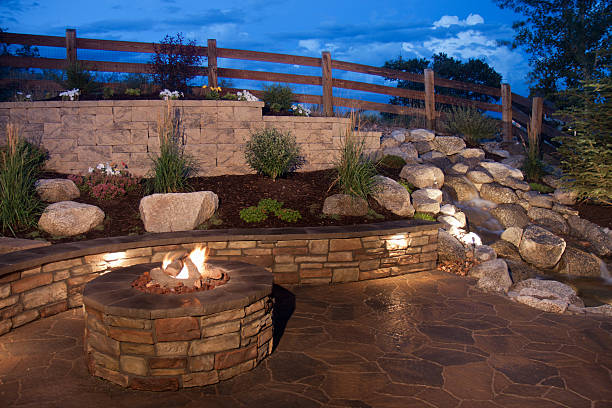
Seasonal Guide to Hiring the Best Landscaper Boston, MA Has to Offer
Landscaping requires planning and adaptation to seasonal changes.
Spring: Preparation and Planting
Spring is ideal for reinvigorating your landscape after winter. The warming temperatures allow plants to thrive, making it the perfect time for planting and maintenance.
– Soil preparation: Test and amend soil pH levels, add compost, and fertilize as needed.
– Planting: Focus on flowers, shrubs, or trees that flourish when introduced in spring, such as pansies, tulips, or dogwoods.
– Weeding: Remove weeds early before they spread.
– Pruning
Spring is also a time for lawn care.
Summer: Maintenance and Drought Management
During summer’s heat, landscapes require diligent care to stay healthy and vibrant. Proper watering techniques are critical this season as plants may experience stress due to high temperatures.
Key tasks include: – Watering: Use drip irrigation systems or water deeply in the early morning to prevent evaporation.MulchingPest ManagementDeadheading Flowers: Remove spent blooms from flowering plants to encourage continuous blooming.
For lawns during summer, avoid cutting grass too short—this helps retain moisture in the soil while reducing stress on the roots.
Fall: Cleanup and Preparation for Winter
Fall prepares your landscaping for the challenges of winter while setting up a strong foundation for spring growth.
Tasks that should be prioritized: – Planting Perennials & Bulbs: Fall is ideal for planting daffodils, lilies, or tulip bulbs that will bloom in spring.Leaf CleanupFertilizing: Apply an autumn-specific fertilizer with higher potassium content to strengthen roots before winter dormancy.Composting Leaves & Debris: Turn organic debris into compost material for future use.
Winter: Protecting & Planning Ahead
While winters limit certain landscaping activities due to snow or frost conditions in many regions, it remains an essential period for maintenance tasks.
Winter activities should include: 1. 2. 3. Updating garden plans by evaluating past successes or failures from previous seasons—design new layouts where needed.
If you reside in areas with mild winters where snow doesn’t dominate landscapes entirely: – Prune deciduous trees during dormancy since there’s minimal risk of disease spread. – Consider planting hardy vegetables like kale if you maintain edible landscaping projects year-round.
| Season | Key Focus Areas | Recommended Tasks |
| Spring | Growth preparation | Soil testing, planting flowers/trees/shrubs |
| Summer | Maintenance & drought management | Watering deeply; pest control |
| Fall | Prepping for winter | Fertilizing; planting perennials/bulbs |
| Winter | Protection & future planning | Tool cleaning; plant protection routines |
By focusing on season-specific tasks throughout the year, you can maintain a healthy landscape that thrives regardless of weather changes.
Top Tips from Landscaping Companies in Boston, MA for Winter Success
Winter may not be the most popular season for landscaping, but it can still be an effective time to plan, prepare, and even execute certain landscaping projects. Below, we outline how you can make the most of winter landscaping.
Benefits of Winter Landscaping
- Less Competition for Contractors: Many people delay their projects until spring or summer, so landscapers may have more availability during the winter months.
- Easier to Spot Structural Issues: Without dense foliage or blooms, it’s easier to identify problems like poor drainage or dying plants that need replacement.
- Healthier Plants Come Spring: Planting certain trees and shrubs during dormancy allows their roots to establish before active growth begins in warmer weather.
Winter Landscaping Projects You Can Undertake
- Pruning trees in winter helps improve their structure while reducing disease risks since pests are less active.
- It also allows you to shape trees without interfering with growth cycles.
- Install patios, walkways, retaining walls, or fire pits since these tasks don’t rely on growing conditions.
- Frozen ground in some regions makes it easier for equipment to operate without damaging soft soil.
- Certain hardy shrubs, evergreens, and bare-root plants do well when planted during dormancy.
- This gives their roots time to establish before spring growth kicks in.
- Incorporate snow-resistant plants or structures designed to manage snow loads effectively.
- Consider adding salt-tolerant plants near driveways or pathways where de-icing chemicals are used.
Tips for Successful Winter Landscaping
- Use Cold-Hardy Plants: Choose species adapted to survive freezing temperatures such as junipers, hollies, and dogwoods.
- Mulch Effectively: Apply a layer of mulch around trees and shrubs to insulate roots from temperature fluctuations.
- Monitor Soil Conditions: Ensure soil isn’t frozen solid before planting; slightly thawed soil is ideal for working.
- Equip Properly: Use tools designed for cold weather conditions like insulated gloves and frost-proof shovels.
Common Challenges of Winter Landscaping
| Challenge | How to Tackle It |
| Frozen Soil | Use heating blankets or wait for brief thaws before digging. |
| Limited Plant Availability | Plan ahead by sourcing dormant plants early from nurseries. |
| Safety Concerns | Wear proper gear to prevent slips on icy surfaces. |
By understanding these challenges and preparing accordingly, you can turn potential obstacles into opportunities.
Why Planning Matters During Winter
- Design garden layouts while your yard’s structure is more visible without overgrown foliage.
- Research plant varieties so you’re ready when planting season begins.
- Consult with professionals about long-term maintenance strategies tailored to your property’s needs.
Winter landscaping isn’t just possible—it can be highly productive when approached thoughtfully.
- The Best Time for Landscapers Milton, MA to Start Your Project for Stunning Results
- Discover Why Fall Is the Perfect Season for Milton, MA Landscape Enhancements
- 13 Easy Lawn Care Tips to Enhance Your Landscaping Milton, MA
- Essential Fall Lawn Care Tips for Milton, MA Landscape Maintenance
- Key Factors to Consider for Lawn Care Boston, MA
- The Best Time of Year to Plan and Execute Milton, MA Landscape Projects
- The Best Time to Begin Your Milton, MA Landscape Project
- The Best Time to Plant New Plants for Milton, MA Landscapes Optimal Growth