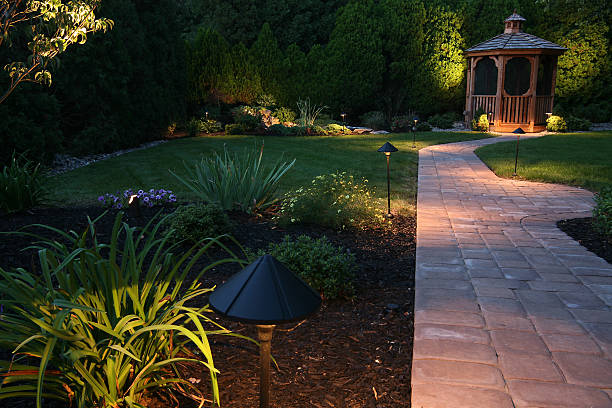
Discover Why Fall Is the Perfect Season for Milton, MA Landscape Enhancements

A happy place A cozy green patio landscape design stock pictures, royalty-free photos & images

Fall is often overlooked as an ideal time for landscaping, but in reality, it offers some of the best conditions for creating or improving your outdoor space. The combination of cooler weather, soil conditions, and seasonal advantages makes it particularly favorable for landscaping projects.

Creating Ideal Growing Conditions with Milton, MA Landscape Design

One of the primary reasons fall is a great time to landscape is that the cooler temperatures provide an optimal environment for planting and maintenance. Plants experience less stress during their establishment phase when the air is cooler and there’s still some warmth in the soil.

  • Soil Retains Heat: Summer’s residual heat in the soil helps roots establish more efficiently before winter arrives.
  • Reduced Water Requirements: Cooler temperatures reduce evaporation rates, meaning less frequent watering is needed compared to spring or summer plantings.
  • Minimal Pest Activity: Many garden pests become less active in fall, providing a safer environment for new plants to thrive without heavy interference.

Seasonal Planting Advantages for Milton, MA Landscaping

Certain plants thrive when planted during fall. Cool-season grasses, bulbs (like tulips and daffodils), trees, and shrubs can be planted now so they’re ready to bloom beautifully come spring.

Plant Type Examples Reason for Fall Planting
Trees Oak, Maple, Dogwood Develop strong roots before spring bloom
Shrubs Boxwood, Holly Prepare for growth with reduced stress
Perennials Daylilies, Hostas Dormant planting ensures longevity
Spring Bulbs Tulips, Crocus Require cold months to germinate

Efficient Use of Time and Resources

  • Cooler days make outdoor work more enjoyable compared to summer’s heat.
  • Landscapers are often less busy during this season than in spring or summer.
  • There’s ample time to plan hardscape upgrades or other structural changes in preparation for winter.

Preparing Your Lawn and Garden for Next Year

  1. Aerating Soil: Loosens compacted soil so roots can absorb nutrients effectively.
  2. Overseeding Lawns: Adds grass seed to thin patches while giving seeds time to grow before frost.
  3. Mulching Beds: Protects plant roots from freezing temperatures while retaining moisture.
  4. Leaf Management: Excess leaves should be composted or mulched rather than left on grass where they may contribute to mold or suffocation.

Hardscaping Opportunities

In addition to planting opportunities, fall provides an excellent chance for hardscaping projects like building patios, walkways, retaining walls, or fire pits due to dry conditions being easier on construction efforts.

By taking advantage of fall landscaping opportunities—whether through planting new greenery or designing creative hardscape solutions—you not only enhance your property’s curb appeal but also lay a solid foundation for seasons ahead.

Landscaping Milton, MA: How to See Landscape Design as a Long-Term Investment for Resale Value

Landscaping is more than just an aesthetic enhancement; it’s a strategic investment that can significantly boost the resale value of your home. Prospective buyers are often drawn to properties with well-designed outdoor spaces, making landscape design a critical component of overall property value. By viewing landscaping as a long-term investment, homeowners can enjoy both an improved living environment now and increased financial returns later. Below are key insights and strategies to approach landscape design with resale value in mind.

Curb Appeal: The First Impression Matters

  • Lush Lawns: A healthy, green lawn signals proper upkeep and care. Routine maintenance like aeration, fertilization, and irrigation ensures the grass thrives year-round.
  • Defined Entryways: Enhance pathways or driveways with decorative hardscaping or bordered flowerbeds to emphasize structure and aesthetics.
  • Seasonal Plantings: Incorporating seasonal flowers or plants adds color and vibrancy to outdoor spaces throughout the year.

Landscaping ROI: What Adds Value?

  1. Patios, decks, or outdoor kitchens are highly valued by buyers looking to maximize usable space outside the home.
  2. These spaces create opportunities for hosting gatherings or relaxing in nature’s comfort.
  3. Smart irrigation systems reduce water waste while maintaining vibrant landscapes.
  4. Automated sprinklers and drip systems help preserve resources while keeping plants healthy.
  5. Mature trees not only offer shade but also improve air quality and energy efficiency by lowering cooling costs in summer months.
  6. Homes with mature trees have been shown to sell at higher prices compared to those without.
  7. Native vegetation requires less water and maintenance, appealing to eco-conscious buyers.
  8. Sustainable practices like rain gardens or permeable pavers also boost environmental appeal.

Cost vs Value Table

Landscaping Project Average Cost Estimated Return (%) Notes
Basic Lawn Maintenance $300-$500/year 267% Includes mowing, weeding
Patio Installation $4,000-$10,000 55% Depends on size/materials used
Mature Tree Planting $1,000/tree 100%-200% Impact grows over time
Landscape Lighting $2,000-$5,000 50%-60% Enhances safety & nighttime use

Building Long-Term Equity Through Landscaping

  • Work with professional designers who understand market trends in your area.
  • Focus on scalable projects that can grow over time (e.g., planting trees or shrubs).
  • Maintain consistency between indoor design themes and outdoor aesthetics—this creates a seamless flow that feels intentional.

By treating landscape design as an integral part of property ownership rather than just an expense, homeowners can reap benefits both during their time at the residence and when it’s time to sell.

Discover How Milton, MA Landscapes Can Boost Resale Value as a Long-Term Investment

Investing in landscape design is more than just enhancing the aesthetic appeal of your home—it’s a strategic decision that can yield significant returns when it’s time to sell. Thoughtful landscaping has the potential to increase property value, improve curb appeal, and make your home more appealing to prospective buyers. Here’s how you can view and approach landscape design as a long-term investment for resale value.

The Importance of Curb Appeal

Curb appeal is one of the most critical factors influencing a buyer’s first impression. Well-maintained landscaping can set your property apart in the market by creating an inviting and attractive exterior. Key elements of curb appeal include: – A well-maintained lawn – Healthy trees and shrubs – Professionally designed hardscapes such as walkways or driveways – Seasonal flowers that add color and vibrancy

An attractive yard not only improves the overall appearance of your home but also signals to buyers that other aspects of the property are likely well cared for.

Landscaping Features with High ROI

Certain landscaping features provide better returns on investment than others. Consider incorporating these elements into your outdoor design for long-term benefits: 1. Trees: Strategic tree planting provides shade, reduces energy costs, and enhances air quality—all while adding property value. 2. Patios or Decks: Outdoor living spaces such as patios, decks, or outdoor kitchens are highly desirable among buyers. 3. Irrigation Systems: Automated irrigation systems are convenient and ensure consistent lawn care, which appeals to busy homeowners. 4. Hardscaping: Features like retaining walls, stone pathways, or fire pits blend functionality with aesthetic value.

Landscaping Feature Estimated ROI (%)
Trees 100–200
Patios/Decks 80–120
Irrigation Systems 85–100
Hardscaping (walkways) 70–90

Long-Term Landscaping Strategies

To maximize the benefits of landscaping as an investment: – Choose Native Plants: Native plants require less water and maintenance, reducing costs over time. – Plan for Growth: Design your landscape with plant maturity in mind so it continues to look balanced as plants grow. – Prioritize Sustainability: Eco-friendly features like rain gardens or permeable pavers not only appeal to modern buyers but also reduce environmental impact. – Opt for Low-Maintenance Designs: Buyers often prefer landscaping that won’t demand extensive upkeep.

Partnering with Professionals

Consulting a professional landscaper or designer ensures you’re making cost-effective decisions tailored to your specific property needs. Experts can help plan intricate details like drainage systems, proper plant placement, and harmonious designs that enhance both form and function.

By viewing landscape design through this investment-focused lens, you’re not just creating an outdoor space you’ll enjoy today—you’re cultivating an asset that grows alongside the value of your home over time.
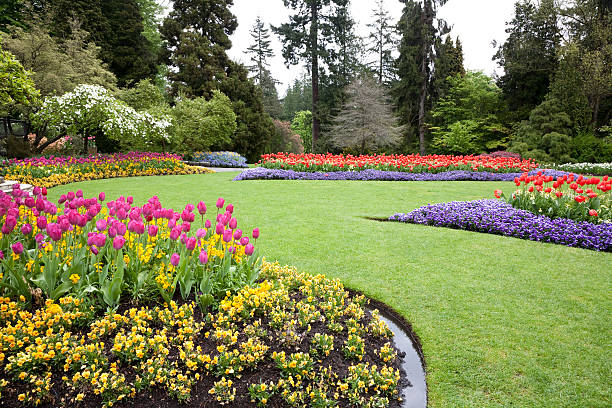
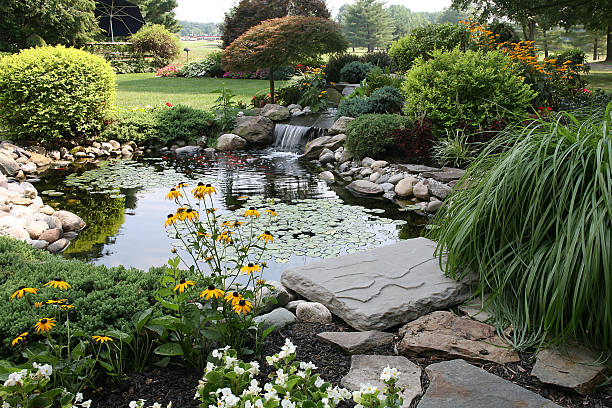
A beautiful landscaped garden of flowers Beautiful garden during the Spring. landscape design stock pictures, royalty-free photos & images

Protecting Your Plants from Heat Stress: Tips from Landscapers Milton, MA

Keeping plants healthy during periods of intense heat can be challenging for any homeowner or landscaping enthusiast. High temperatures can lead to heat stress in plants, causing wilting, leaf drops, reduced growth, and even death. Employing strategic techniques like mulching, shading, and other practices can help protect your greenery and ensure they thrive even in extreme conditions.

The Role of Mulching in Combatting Heat Stress

Mulching is one of the most effective ways to preserve soil moisture and moderate soil temperature during hot weather. By applying a layer of organic or inorganic material around the base of your plants, you create a barrier that protects roots from excessive heat.

Types of Mulch Suitable for Heat Protection:
Organic Mulch: Bark chips, shredded leaves, grass clippings, straw.
Inorganic Mulch: Pebbles, landscape fabric, gravel.

Benefits:
– Reduces water evaporation from the soil. – Keeps roots cool by insulating them from direct sun exposure. – Minimizes weed growth which competes for water resources. – Enriches the soil (in the case of organic mulch) as it decomposes over time.

Shading Techniques to Protect Sensitive Plants

Shading is another effective method to protect plants from scorching sunlight. This strategy works particularly well for delicate or young plants that may not yet have strong root systems or mature foliage.

Methods for Creating Shade:
1. Shade Cloths: Use UV-resistant shade cloths available in varying densities (30%-90%) depending on your plant’s needs. 2. Temporary Structures: Install pergolas or retractable awnings over garden beds. 3. Natural Shade Solutions: Plant taller shrubs or trees nearby to cast natural shade.

Using these solutions not only reduces heat stress but also prevents sunburn on leaves and fruits—a common issue during peak summer months.

Other Techniques for Heat Stress Prevention

  • Water early in the morning or late evening to reduce evaporation.
  • Use drip irrigation systems to deliver water directly to plant roots efficiently.
  • Avoid watering leaves during intense sunlight as it may cause sunscald.
  • Incorporate compost or clay-based soil conditioners to improve water retention.
  • Ensure proper drainage to prevent root rot caused by excessive watering.
  • Opt for drought-tolerant native species that are better adapted to local climates.
  • Group plants with similar water and light needs together for easier care.

Table: Comparison of Heat Protection Techniques

Technique Benefits Best For Cost Range
Mulching Conserves moisture; Insulates soil All types of gardens Low
Shade Cloths Blocks UV rays; Prevents leaf burn Vegetable gardens; delicate flowers Moderate
Drip Irrigation Precise watering; Reduces evaporation Lawns; large garden beds Moderate
Natural Shade Long-term solution; Aesthetic value Mixed landscapes Variable

Final Thoughts on Plant Protection During Heatwaves

The combination of these techniques—mulching, shading, proper watering practices—can help reduce environmental stressors on your plants while ensuring their health year-round. By implementing these strategies thoughtfully within your landscaping plan, not only will you safeguard your greenery against extreme weather conditions but also enhance their beauty and longevity over time.

Elevate Your Outdoors with Expert Landscape Design Milton, MA

Landscaping is more than just a way to beautify your property – it’s an opportunity to create a functional, enjoyable, and visually appealing outdoor space that reflects your style. Innovative landscaping ideas allow homeowners to break free from traditional designs and embrace creativity while enhancing the overall utility of their outdoor spaces. Below are some creative concepts that can inspire you to transform your landscape into a captivating retreat.

1. Integrate Multi-Functional Features

To maximize the usability of your outdoor space, consider incorporating multi-functional elements into your design. These features can serve various purposes while maintaining visual harmony.

  • Fire Pit Tables: Combine warmth with functionality by adding a fire pit that doubles as a table for entertaining guests.
  • Built-In Seating: Instead of using standalone furniture, opt for built-in benches or seating walls around patios and walkways.
  • Vertical Gardens: Perfect for smaller yards, vertical gardens save space while adding greenery and texture.

2. Create Outdoor Living Rooms

Extend your indoor lifestyle outdoors by creating designated areas for relaxation, dining, or entertaining.

Feature Purpose Benefits
Pergolas Shade and structure Adds architectural interest
Outdoor Kitchens Cooking and dining convenience Ideal for hosting gatherings
Weatherproof Furniture Comfort in all seasons Durable designs maintain outdoor appeal

By blending natural elements like stone or wood with modern materials, you can craft cozy spaces that encourage year-round use.

3. Use Creative Lighting Options

Outdoor lighting does more than illuminate – it sets the mood and enhances safety after dark.

  • String Lights: Add charm to patios or decks with hanging string lights.
  • Path Lighting: Install low-voltage lights along pathways to highlight walkways and prevent accidents.
  • Up-Lighting: Use ground-mounted lights to accentuate trees or architectural features.

Thoughtful lighting choices make evenings outdoors magical while improving the functionality of your landscape after sunset.

4. Incorporate Water Elements

  • Small fountains for courtyards or entryways
  • Pondless waterfalls for low-maintenance beauty
  • Reflecting pools to create a serene atmosphere

The sound of running water adds calmness to any garden design while attracting wildlife like birds or butterflies.

5. Experiment with Native Plants

  • Grouping drought-resistant plants together in rock gardens
  • Planting wildflower meadows as eco-friendly alternatives to large lawns
  • Using ornamental grasses as striking borders

Native plants reduce water consumption, minimize pest issues, and blend seamlessly into regional landscapes.

Transforming an ordinary yard into an extraordinary outdoor escape requires thoughtful planning paired with innovative ideas tailored to your lifestyle needs. By mixing functionality, aesthetics, and sustainability, you’ll create a landscape that remains timeless while providing years of enjoyment.
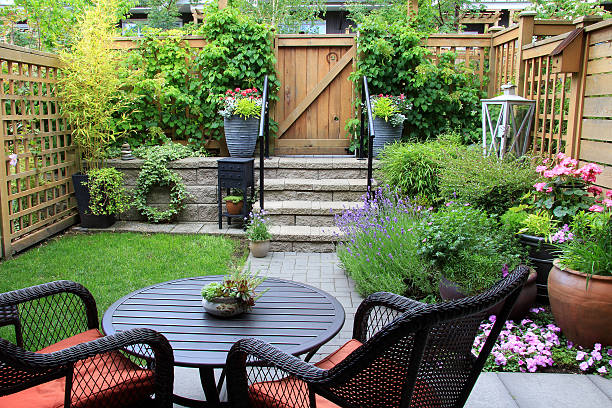
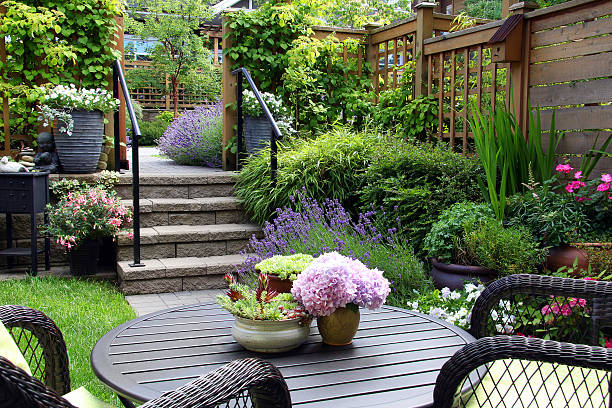
Small garden. Small townhouse garden with patio furniture amidst blooming lavender. landscape design stock pictures, royalty-free photos & images

Top Ten Low-Maintenance Plants Recommended by a Landscaper in Milton, MA for Beautiful Landscaping Designs

Low-maintenance plants are an excellent choice for homeowners who want a stunning landscape without dedicating significant time to upkeep. These plants are resilient, adaptable, and require minimal care, making them perfect for both seasoned gardeners and beginners. Here is a curated list of ten low-maintenance plants that can enhance your landscaping design while saving you effort.

1. Lavender

  • Why Choose It: Lavender is drought-tolerant and thrives in well-drained soil with plenty of sunlight.
  • Benefits: Its fragrant blooms attract pollinators like bees and butterflies, adding life to your outdoor space.
  • Care Tips: Prune once a year to encourage new growth.

2. Hostas

  • Why Choose It: Known for their lush foliage, hostas come in a variety of colors and patterns.
  • Benefits: Ideal for shaded areas where other plants might struggle.
  • Care Tips: Require only occasional watering and thrive in fertile, well-drained soil.

3. Sedum (Stonecrop)

  • Why Choose It: A hardy succulent that performs well in dry conditions.
  • Benefits: Adds texture to flower beds or rock gardens with its thick, water-storing leaves.
  • Care Tips: Needs little water or attention beyond basic pruning.

4. Coneflowers (Echinacea)

  • Why Choose It: These vibrant perennials are drought-tolerant once established.
  • Benefits: Their long-lasting blooms create visual interest while attracting birds and insects.
  • Care Tips: Deadhead spent flowers to encourage further blooming.

5. Ornamental Grasses

Example Varieties Characteristics Best Placement
Blue Fescue Compact with silver-blue hue Borders or containers
Miscanthus Tall with feathery plumes Privacy screens
Fountain Grass Graceful arching leaves Accent points

6. Daylilies

  • Why Choose It: With numerous color options, daylilies can brighten any yard effortlessly.
  • Benefits: They are pest-resistant and thrive in diverse climates.
  • Care Tips: Divide clumps every 3–5 years to prevent overcrowding.

7. Boxwoods

  • Why Choose It: Evergreen shrubs that maintain their shape year-round.
  • Benefits: Perfect for hedges or as standalone accents due to their compact growth habit.
  • Care Tips: Light trimming keeps them looking tidy.

8. Black-Eyed Susans

  • Why Choose It: A cheerful flower that tolerates poor soils and neglect.
  • Benefits: Creates bright patches of yellow throughout the summer season.
  • Care Tips: Water sparingly after establishment.

9. Russian Sage

  • Drought-resistant perennial known for its tall, silvery foliage and purple flowers.
  • Requires full sunlight but minimal watering once rooted.

10. Ferns

Ferns are ideal for adding greenery to shaded areas: * Thrive in moist, well-drained soils under partial shade. * Examples include maidenhair ferns or Boston ferns that add softness to your design.

Top Benefits of Choosing Low-Maintenance Plants from Landscaping Companies in Milton, MA

  1. Saves Time – Minimal watering, pruning, or fertilizing is required.
  2. Cost Efficiency – Fewer maintenance expenses over time (e.g., water usage).
  3. Sustainability – Many low-maintenance plants support biodiversity by attracting beneficial species like bees or birds naturally without pesticides or fertilizers.

By incorporating these resilient plants into your landscaping plans, you can enjoy both beauty and ease all year round while creating an inviting outdoor environment fit for any homeowner’s needs.

How Lawn Care Milton, MA Experts Create Stunning and Functional Outdoor Spaces

Landscaping is more than just an aesthetic enhancement for your property; it plays a vital role in creating outdoor spaces that are both visually appealing and highly functional. Whether you’re planning to increase your home’s curb appeal, create a relaxing retreat in your backyard, or design an area suitable for entertaining guests, landscaping is a transformative tool that can turn your vision into reality.

Benefits of Landscaping for Your Outdoor Space

  1. A well-planned landscape design can significantly enhance the beauty of your property.
  2. Thoughtful use of plants, hardscapes, and lighting creates a cohesive outdoor setting that complements your home’s architecture.
  3. Properly designed landscapes create focal points such as flower beds, water features, or stone pathways that draw attention and add elegance.
  4. Landscaping can help organize outdoor spaces into specific zones for relaxation, dining, gardening, or play areas.
  5. Functional additions like patios, fire pits, pergolas, or outdoor kitchens make spaces versatile and enjoyable year-round.
  6. Strategic planting can provide natural windbreaks or shade to make your yard more comfortable during extreme weather.
  7. Increased Property Value
    A professionally landscaped home typically has higher resale value compared to properties with minimal landscaping. Real estate experts estimate that good landscaping can add up to 15% more value to a property.

How Landscaping Creates Stunning Outdoor Spaces

  • Incorporate Diverse Elements: Combine softscape (plants) with hardscape (stone pathways or walls) for variety and contrast.
  • Use Color Thoughtfully: Opt for plants with seasonal blooms or foliage colors to keep the landscape vibrant throughout the year.
  • Add Layers: Incorporate plants of different heights—ground cover plants, shrubs, and tall trees—to add depth and dimension.

A well-curated balance between these elements ensures an eye-catching yet natural aesthetic.

Making Outdoor Spaces Functional Through Design

Design Element Purpose Example Features
Zoning Define areas for specific uses Patio (entertaining), Lawn (play)
Pathways Provide easy navigation Gravel paths or stepping stones
Shade Structures Increase comfort during hot seasons Pergolas or shade sails
Efficient Irrigation Promote sustainable maintenance Drip irrigation systems

Strategically placing these elements boosts the efficiency of the space while maintaining its beauty.

Sustainability Matters in Landscaping

Modern landscaping trends also emphasize sustainability:
– Use native plants to conserve water and reduce maintenance needs. – Install rain gardens to absorb runoff while adding unique aesthetics. – Opt for permeable paving solutions to allow water infiltration rather than runoff.

Incorporating eco-conscious designs not only benefits the environment but also reduces long-term upkeep costs.

Landscaping integrates visual charm with practicality when planned thoughtfully. By combining creative design principles with functionality-focused features, homeowners can truly enhance their outdoor spaces into places where beauty meets purpose effortlessly.


13 Easy Lawn Care Tips to Enhance Your Landscaping Milton, MA

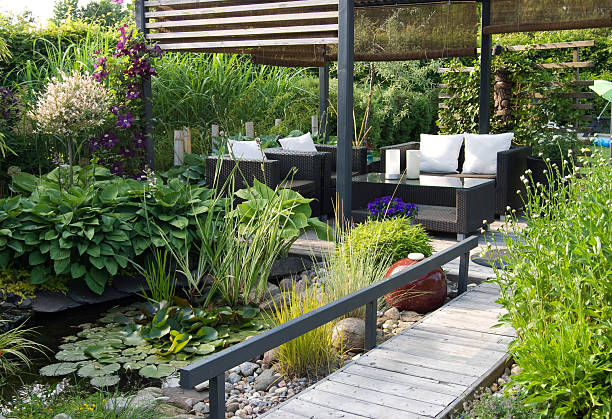
Modern patio garden lounge with a pond and outdoor sofas A modern furnished patio and pergola with a small pond, water lilys, hostas and Clematis landscape design stock pictures, royalty-free photos & images

Taking the first steps into lawn care can feel overwhelming if you’re a beginner, but breaking it down into manageable tasks can simplify the process. With proper planning, consistency, and a little know-how, you’ll have a lush and healthy lawn in no time. Below are 13 easy steps to help you get started with lawn care.

Before diving in, take a good look at your lawn. Identify problem areas such as bald spots, weed growth, or discoloration. Knowing what you’re working with is key to improving your lawn’s overall condition.

Healthy soil is the foundation of a thriving lawn. Use an at-home soil testing kit or consult with a local nursery to determine your soil’s pH level and nutrient composition.

Not all grass types thrive in all climates. Research what grass works best for your region—cool-season grasses like Kentucky bluegrass suit northern climates, while warm-season grasses like Bermuda grass are perfect for southern areas.

Aim for cutting only one-third of the blade length at a time.

Water deeply but infrequently—about one inch per week is ideal—to encourage strong root growth and maintain moisture levels in the soil.

Feed your lawn according to its needs during active growing seasons (spring and fall). Use slow-release fertilizers for consistent nourishment without overloading the soil.

Add organic matter like compost or mulch sporadically throughout the year to keep your soil healthy while improving drainage and nutrient retention.

Material Benefit
Mulch Retains moisture
Compost Adds organic nutrients

Aerating helps improve airflow around roots by alleviating compaction in dense soils—this step is especially beneficial if foot traffic on your lawn is high.

Pests such as grubs can cause significant damage if left untreated. Consider integrated pest management strategies that minimize chemical use while protecting beneficial organisms.

Poor drainage leads to waterlogging issues that harm root systems over time—ensure proper grading around your landscape prevents standing water accumulation after heavy rainfalls.

13: Maintain Seasonal Schedules

Develop seasonal maintenance routines depending on weather patterns relevant locally rather than rushing everything simultaneously; steady effort yields better results long-term!

By following these structured yet flexible guidelines beginners build rich foundational habits gradually enhancing landscaping skills longitudinally .

Understanding Milton, MA Landscape: Tips for Testing Soil for Landscape Design in Milton, MA for Lawn Health

Understanding your soil is a critical first step in achieving a healthy, thriving lawn. Soil acts as the foundation for your grass, providing essential nutrients, water, and support. By recognizing the type of soil in your yard and testing its properties, you can make informed decisions about care routines, amendments, and plant choices. Here’s everything you need to know about assessing your soil.

How Understanding Your Soil Impacts Milton, MA Landscapes

Healthy soil is key to healthy lawns. Different soils vary in texture, nutrient content, and pH levels—all of which influence how well grass grows. Without understanding your soil’s characteristics, you may overwater, overfertilize, or struggle with patchy areas of grass.

Key benefits of knowing your soil include: – Improved grass growth: Tailoring care routines based on soil properties allows grass to thrive.Reduced expenses: You’ll avoid wasting money on unnecessary products or ineffective treatments.Problem prevention: Identifying issues such as compaction or poor drainage early can save time and effort later.

Best Types of Soil Recommended by Landscapers Milton, MA

There are three main types of soil textures: sandy, clayey, and loamy.

Soil Type Description Advantages Challenges
Sandy Gritty texture; drains quickly Easy to work with; prevents waterlogging Dries out quickly; low nutrient retention
Clay Dense texture; holds moisture well Retains nutrients effectively Poor drainage; prone to compaction
Loam Balanced mix of sand, silt, and clay Ideal for plant growth Requires maintenance to retain balance

How to Test Your Soil

Testing your soil provides insight into its pH level (acidity or alkalinity), nutrient levels (such as nitrogen or phosphorus), and overall composition.

  • Take a handful of slightly damp soil from your yard.
  • If it falls apart easily: You have sandy soil.
  • If it feels sticky and holds its shape well: It’s clay-based.
  • If it holds together but crumbles when touched: It’s loamy.

This simple test helps determine the proportion of sand, silt, and clay in your lawn: 1. Collect a sample of soil from multiple areas in your yard. 2. Place it in a clear jar with water and shake thoroughly. 3. Allow the mixture to settle for several hours: – Sand will settle at the bottom, – Silt will form a middle layer, – Clay will appear as fine particles near the top.

These are widely available at garden centers: – Collect samples from different parts of the lawn. – Follow manufacturer instructions for testing acidity vs alkalinity.1.12.2, though some grasses thrive slightly outside this range.

For the most accurate results regarding nutrients like nitrogen or potassium deficiencies: – Contact local agricultural extension services or professional labs that specialize in lawn care analysis.

Next Steps After Hiring a Landscaper Milton, MA

Once you’ve tested your soil: 1. Adjust pH levels if needed by adding lime (to raise pH) or sulfur (to lower it). 2. Apply appropriate fertilizers based on nutrient deficiencies identified during testing. 3. Amend poor-quality soils by incorporating organic materials such as compost or peat moss. 4. Address drainage issues by aerating compacted areas or leveling low spots causing water collection.

By taking these initial steps to assess and improve your lawn’s foundation—its soil—you’ll set yourself up for success in creating an environment where healthy grass can flourish year-round without unnecessary effort or guesswork.

The Ultimate Guide to Understanding Grass Types by Landscaping Companies in Milton, MA

Understanding your grass type is a fundamental step in maintaining a healthy, thriving lawn. Different grasses have unique characteristics, growth patterns, and care requirements. By identifying your grass type, you can tailor your lawn care efforts to ensure optimal results.

Why Identifying Your Grass Type Matters

Each grass species thrives under specific conditions.

  • Soil Preferences: Some grasses thrive in sandy soils, while others prefer nutrient-rich loam.
  • Climate Adaptability: Certain grasses are better suited for cool seasons, while others flourish in warmer climates.
  • Maintenance Needs: Mowing height, watering frequency, and fertilization schedules vary by grass type.
  • Pest and Weed Resistance: Understanding the vulnerabilities of your grass can help you prevent infestations or invasive weeds.

By recognizing these distinctions early on, you can make informed decisions about fertilization, irrigation, and other key aspects of lawn care.

Common Grass Types and Their Characteristics

Grass Type Climate Preference Key Features Maintenance Notes
Kentucky Bluegrass Cool-season Fine texture; rich green color; spreads via rhizomes Requires consistent watering; thrives in northern regions
Bermuda Grass Warm-season Dense growth; drought-tolerant; spreads quickly Prefers full sun; needs frequent mowing during growth season
Fescue (Tall/Red) Cool-season Adaptable; tolerates shade well Low maintenance; can handle varying soil conditions
Zoysia Grass Warm-season Thick carpet-like texture; slow-growing Requires occasional dethatching due to thatch buildup
Ryegrass Cool-season Quick germination; fine blades Best for overseeding or temporary lawns

Steps to Identify Your Grass Type

  1. Look at the blade’s width, shape, and overall appearance. Fine-bladed grasses like Kentucky Bluegrass differ from coarser varieties like Bermuda Grass.
  2. Does the lawn spread through seeds or runners?
    • Grasses like Zoysia spread through stolons (above-ground runners).
    • Fescues typically grow in clumps without spreading far.
  3. Consider whether your lawn remains vibrant year-round (warm-season) or peaks during spring and fall (cool-season).
  4. Some species showcase distinctive shades of green throughout different seasons.
  5. Reach out to local garden centers or agricultural extensions for expert guidance based on regional conditions.

Tips for Managing Mixed Lawns

Many lawns consist of mixed grasses due to reseeding or environmental changes.

  • Focus on maintaining general health through balanced watering and fertilization.
  • Avoid over-mowing as this may stress weaker grass types.
  • Apply weed control products suitable for multiple species without harming specific varieties.

Identifying your grass type is an investment in the long-term health of your lawn. By combining observation with practical tools like soil testing kits or expert advice from local professionals, you’ll set up a foundation for achieving lush landscapes year-round.

Top Lawn Care Tips for Milton, MA: Proper Fertilizing for Optimal Growth

Below, we outline key tips to ensure your fertilization efforts yield the best results.

Discover Expert Milton, MA Landscape Design for Your Lawn

Before grabbing a bag of fertilizer, it’s important to understand what your lawn specifically needs.

  • Phosphorus (P): Helps develop strong roots and promotes early growth.

To determine what your lawn may be lacking, consider conducting a soil test.

Best Types of Fertilizers for Milton, MA Landscaping

There are several fertilizer types available on the market, and choosing the right one can make all the difference.

Fertilizer Type Benefits Best For
Granular Slow-Release Feeds over time; less frequent application needed Long-term care
Liquid Fertilizer Quick absorption for fast results Immediate nutrient boost
Organic Fertilizer Eco-friendly; improves soil quality over time Sustainable lawn care
Synthetic Fertilizer Precisely formulated nutrients Targeted solutions for deficiencies

Timing Is Everything

  • Spring: Apply fertilizer after your grass begins actively growing.
  • Summer: Use fertilizers sparingly during hot months as heat stresses lawns.

Avoid applying fertilizers before heavy rainfall as this can wash away nutrients or cause runoff into local waterways.

Application Techniques for Even Coverage

  1. Choose the Right Spreader: Use either a drop spreader for precise coverage or a broadcast spreader for larger areas.
  2. Overlap Passes Slightly: To avoid missing areas, slightly overlap each pass with your spreader.
  3. Apply in Two Directions: Spread fertilizer in one direction first, then go back over it at a perpendicular angle for even distribution.

Best Practices During Fertilization

  • Avoid applying too much nitrogen-heavy fertilizers as they can burn grass.
  • Wear gloves when handling synthetic fertilizers to protect yourself from chemicals.
  • Keep pets and children off freshly fertilized lawns until water has absorbed the product.

By following these essential tips when fertilizing your lawn, you’ll be setting up an environment where healthy growth thrives year-round while minimizing potential pitfalls such as over-fertilization or uneven applications.

Small garden Small townhouse perennial summer garden. landscape design stock pictures, royalty-free photos & images

How to Prevent Bald Patches and Ensure a Full, Healthy Lawn

Bald patches in your lawn can be frustrating and unsightly. They detract from the uniformity of your yard and can invite weeds or pests to take hold. Fortunately, preventing these trouble spots doesn’t have to be daunting. By following some simple best practices, you can maintain a lush, healthy lawn that thrives throughout the year.

Common Causes of Bald Patches in Lawns

Understanding what contributes to bald patches is the first step toward prevention.

  • Overuse or heavy foot traffic: Constant walking, playing, or placing heavy objects on specific areas can compact soil and damage grass.
  • Improper watering: Both overwatering and underwatering can weaken grass roots.
  • Poor soil quality: Nutrient-deficient soil may fail to support healthy grass growth.
  • Pest or disease infestations: Insects and fungal infections can destroy sections of your lawn.
  • Insufficient sunlight: Grass struggles to grow under dense shade from trees or structures.

Steps to Prevent Bald Patches

  1. Compacted soil often leads to poor root development. Aerating your lawn once or twice a year loosens the soil and improves oxygen flow to the roots.
  2. Use a core aerator for best results.
  3. Water deeply but less frequently—about 1–1. 5 inches per week—to encourage strong root systems.
  4. Early morning is the ideal time for watering as it minimizes evaporation.
  5. Test your soil every couple of years for pH balance and nutrient levels using an affordable testing kit or professional service.
  6. Amend deficiencies by adding lime (to raise pH) or sulfur (to lower pH), as needed.
  7. Avoid over-fertilizing, which can burn grass roots.
  8. Trim tree branches or shrubs that cast excessive shade over problem areas.
  9. Consider planting shade-tolerant grass species if sunlight cannot be increased.
  10. For small patches already showing thinning, overseed with a high-quality seed mix suitable for your region’s climate.
  11. Rake lightly after spreading seeds and keep the area moist until new growth appears.

Benefits of Regular Maintenance Activities

Activity Frequency Purpose
Aeration 1–2 times yearly Improves root access to nutrients & water
Fertilization 2–4 times yearly Promotes vigorous growth
Overseeding Annually Fills bare spots & thickens turf
Soil Testing Every 2–3 years Identifies nutrient imbalances
Watering Weekly Sustains deep root systems

Key Takeaways for Healthy Lawn Growth

By addressing potential causes proactively—like compacted soil, insufficient nutrients, or improper watering—you’ll reduce the risk of bald spots forming in your yard. Prioritize consistent care routines such as aerating, fertilizing appropriately according to seasonal needs, testing your soil regularly, and reseeding thin areas when necessary.

A full and vibrant lawn doesn’t just improve curb appeal—it creates an inviting space for outdoor activities while increasing property value over time.

When and Why You Should Aerate Your Soil for a Lush Landscape

Aerating your soil is an essential practice in maintaining a healthy and vibrant lawn.

What Is Soil Aeration?

Soil aeration is the process of creating small holes in the soil to allow air, water, and nutrients to penetrate deeper into the ground.

Why Is Aeration Necessary?

  • Improves Nutrient Absorption:Compacted soil prevents essential nutrients from reaching grassroots. Aeration allows these nutrients to infiltrate deep into the soil.
  • Enhances Water Penetration:Without proper aeration, water tends to pool on the surface rather than soaking into deeper layers where roots need it most.
  • Promotes Root Development:Aerated soil creates pathways for roots to expand more freely and absorb nutrients effectively.
  • Reduces Thatch Buildup:Thatch is a dense layer of organic matter that can suffocate grassroots if not managed properly. Aerating helps break up this layer by improving soil-to-root contact.
  • Boosts Microbial Health:Soil microbes thrive in environments with sufficient oxygen. By aerating the soil, you encourage beneficial microbial activity that supports plant health.
Grass Type Best Time to Aerate
Cool-season grasses Early spring or early fall
Warm-season grasses Late spring or early summer

Aerating during your grass’s active growing season ensures that it recovers quickly and takes full advantage of improved conditions.

You should also consider aerating if your lawn exhibits any of these signs:
– Water puddles after rain or irrigation
– Grass feels spongy due to thick thatch buildup
– Soil seems hard or compacted when tested with a screwdriver

  1. Choose the Right Equipment:Use either a core aerator (best option) or spike aerator depending on availability.
  2. Prepare Your Lawn:Mow your lawn short before aerating and lightly water it 24 hours beforehand for ease of penetration.

Post-Aeration Care Tips

After aeration:
– Apply fertilizer or seed as needed since this is an ideal time for both practices. – Water deeply but avoid overwatering as excessive moisture may revert compaction issues.

By understanding when and why you should aerate your lawn—and following proper techniques—you’ll achieve healthier turf that’s better equipped to withstand stressors like droughts, diseases, and pests while looking lush year-round.

Below are effective strategies to identify, prevent, and combat common lawn weeds while promoting a lush and healthy environment.

Identifying Common Lawn Weeds

Understanding the types of weeds you’re dealing with is crucial for applying the appropriate control methods.

  1. Examples: Dandelions, clover, chickweed
  2. Characteristics: Wide leaves and noticeable flowers; they thrive in nutrient-deficient soils.
  3. Examples: Crabgrass, quackgrass
  4. Characteristics: Narrow leaves similar to grass; often blend into lawns but spread aggressively.
  5. Example: Nutsedge
  6. Characteristics: Grass-like plants with triangular stems; prefer moist or poorly drained soil.

Prevention Tactics

  • Maintain Healthy Soil:Test your soil’s pH levels regularly and amend it as needed to ensure optimal grass growth.
  • Proper Mowing:Keep grass at its recommended height based on species.
  • Overseeding:Fill in bare patches by overseeding annually or biannually to prevent weeds from establishing in open spaces.
  • Mulching:Apply mulch around garden beds or edges of lawns since it blocks sunlight that weed seeds need to germinate.

Combatting Existing Weeds

  1. Use tools like a weeding knife or a hoe to minimize root damage.
  2. Herbicides
    Choose between the two main types:
  3. Pre-emergent HerbicidesApply early in spring before soil temperatures reach 55°F.
  4. Post-emergent Herbicides
  5. Natural Remedies
    Opt for eco-friendly options such as:
  6. Pouring boiling water directly onto isolated weeds.
  7. Using vinegar-based sprays (ensure they don’t contact surrounding grass).
  8. Improve Lawn Care Routine
    Regular watering, fertilizing, and aerating help strengthen your lawn’s ability to crowd out invasive weed species naturally.

Quick Comparison Table: Preventive vs Reactive Weed Control

Method Advantages Best Used For Timing
Proper Mowing Prevents overexposure & weed growth Broadleaf & grassy prevention Regularly
Overseeding Fills bald patches Bare spots prone to invasion Spring/Fall
Pre-emergent Herbicides Stops seeds before germination Grassy weed prevention Early spring
Post-emergent Herbicides Targets established invasive plants Broadleaf/active grassy infestations Growing season

By combining prevention techniques with effective removal strategies tailored to specific weed types, you can maintain a pristine and healthy lawn year-round without unnecessary disruption caused by invasive plants.

Weeds not only detract from the visual appeal of your yard but also compete with your grass for essential resources like water, sunlight, and nutrients. Below are strategies and methods to identify, prevent, and manage common lawn weeds effectively.

Common Types of Lawn Weeds

Understanding the types of weeds in your yard is the first step in effective weed management.

  • Broadleaf Weeds:Examples include dandelions, clover, and chickweed.
  • Grassy Weeds:Crabgrass and quackgrass fall into this category.
  • Sedge Weeds:Nutsedge is a common sedge weed that thrives in moist conditions.

Familiarize yourself with these categories to identify the problem areas in your lawn.

Proactive Prevention Methods

Preventing weeds before they take over is key to maintaining a healthy lawn.

  1. Test your soil annually to ensure proper pH levels.
  2. Maintain an optimal mowing height based on your specific grass type (e. g.
  3. Reseed thin or bare patches promptly to discourage weed growth.
  4. Use high-quality grass seed suitable for your region.
  5. Apply fertilizer according to the needs of your grass type.
  6. Avoid over-fertilizing, as this can encourage certain weed species like crabgrass.

Weed Removal Techniques

  • Hand-Pulling:Manual removal works well for isolated patches or small infestations. Ensure you remove both the plant and its root system.
  • Spot Treatment with Post-Emergent Herbicides:Target active weeds without affecting surrounding grasses by using selective herbicides designed for specific weed types.

Natural Alternatives for Weed Management

  • Mulching:Suppress weed growth by applying mulch around flower beds or garden edges.
  • Homemade Solutions:Some landscapers use a mixture of vinegar and water as a natural herbicide on unwanted plants (note: test small areas first).
Natural Method Best For Tips
Mulching Flower beds Maintain a 2–3 inch layer
Vinegar-based sprays Driveways, sidewalks Avoid application on desired plants

Establishing Consistency

Weed control isn’t a one-time task; it requires consistent effort throughout all seasons. By combining preventive measures with regular maintenance practices such as proper watering, mowing, and fertilization schedules, you’ll create an environment where desirable grass thrives while weeds struggle to take hold.

By implementing these strategies thoughtfully, you’ll maintain both an aesthetically pleasing landscape and improve overall lawn health long-term.


Essential Fall Lawn Care Tips for Milton, MA Landscape Maintenance

the perfect backyard landscape design stock pictures, royalty-free photos & images

Fall is a critical period for landscapers to prepare lawns for the challenges of winter and ensure they thrive in the spring. By developing and following a comprehensive fall lawn care guide, landscapers can address specific seasonal needs, improve turf health, and enhance the overall appearance of their clients’ properties. Below, we explore why such a guide is essential and what key components it should include.

Fall Lawn Care Tips for Beautiful Milton, MA Landscapes

  • Cooler temperatures create ideal growing conditions for cool-season grasses.
  • Soil remains warm enough to support root development.
  • Weeds compete less aggressively, allowing grass to establish itself more easily.

By prioritizing fall care, landscapers can not only enhance the visual appeal of lawns but also lay the groundwork for long-term resilience against pests, diseases, and adverse weather conditions.

Key Benefits of Hiring Landscapers Milton, MA for a Fall Lawn Care Guide

  1. Efficiency in Service Delivery:
    A detailed guide ensures that all tasks are completed systematically, saving time and reducing errors.
  2. Improved Client Satisfaction:
    Clients appreciate visible results such as thicker grass coverage and fewer weeds after proper fall maintenance.
  3. Cost Savings Over Time:
    Addressing potential problems in the fall reduces costly repairs or treatments needed during peak growing seasons.
  4. Healthy Lawns Year-Round:
    Proactive measures like aeration and fertilization during autumn lead to vibrant lawns throughout the year.

Creating the Perfect Fall Lawn Care Guide for Landscape Design in Milton, MA

  • Leaf Removal: Regular cleanup prevents fungal diseases caused by leaf buildup on wet grass surfaces.
  • Core Aeration: Aerating compacted soil allows better absorption of water, nutrients, and oxygen.
  • Fertilization: Applying slow-release fertilizers nourishes roots during their most active growth phase.
  • Overseeding: Spreading new seed repairs bare patches while increasing turf density.
  • Weed Control: Treating weeds proactively minimizes competition with grass for resources.
  • Irrigation Adjustments: Monitoring rainfall patterns ensures optimal hydration without overwatering.

Fall Lawn Care Timeline by a Landscaper in Milton, MA

Task Recommended Timing Purpose
Leaf Cleanup Early-Mid Fall Prevents suffocation of grass
Core Aeration Early-Mid Fall Improves soil structure
Fertilization Mid-Fall Stimulates root growth
Overseeding Mid-Fall Repairs thin or damaged areas
Weed Control Late Summer-Early Fall Reduces weed presence

Top Tips from Landscaping Companies in Milton, MA

  • Use region-specific recommendations based on local soil type and weather patterns.
  • Invest in high-quality tools like aerators, spreaders, and mulching attachments.
  • Educate clients about proper post-care maintenance such as limited foot traffic on reseeded areas.

Adhering to these principles enables landscapers to deliver consistent results while building trust with their clientele. A structured approach not only simplifies workflow but also sets professional landscapers apart as industry experts capable of transforming outdoor spaces into healthy, vibrant landscapes year-round.

Achieving Healthy Lawns with Soil Test Kits and Grass Seed in Landscaping Milton, MA

Maintaining a healthy and thriving lawn begins with understanding the soil beneath it. For landscapers, soil test kits and the right choice of grass seed are invaluable tools. These elements form the foundation of a lush, green lawn. Below, we explore their benefits and how they contribute to long-term lawn health.

The Importance of Soil Testing for Lawn Care Milton, MA

  • Nutrient Analysis: Identifies levels of essential nutrients like nitrogen (N), phosphorus (P), and potassium (K).
  • pH Assessment: Determines whether the soil is too acidic or alkaline, helping guide treatments like lime or sulfur applications.
  • Organic Matter Content: Evaluates soil structure and health, ensuring proper aeration and water retention.
  • Targeted Solutions: Eliminates guesswork by recommending precise amendments to address deficiencies.

A typical soil test kit provides results in days, empowering landscapers to implement targeted solutions without delay.

Nutrient/Factor Ideal Range for Most Grass Types
Nitrogen (N) 2.0% – 4.0%
Phosphorus (P) 25 ppm – 50 ppm
Potassium (K) 120 ppm – 200 ppm
pH 6.0 – 7.0

The Importance of Grass Seed Selection in Milton, MA Landscape Design

  1. Climate Compatibility
    Choose warm-season grasses like Bermuda or Zoysia for hot climates, while cool-season grasses such as Kentucky Bluegrass thrive in colder regions.
  2. Soil Type Adaptability
    Some grass varieties perform better in sandy soils, while others are suited for clay-rich environments.
  3. Sunlight Requirements
    Assess how much sunlight your landscape receives daily:
  4. Full Sun: Bermuda grass
  5. Partial Shade: Fine Fescue
  6. Heavy Shade: Tall Fescue
  7. Traffic Tolerance
    For high-trafficked areas, opt for hardy varieties like Perennial Ryegrass.

Top Benefits of Using High-Quality Grass Seeds for Milton, MA Landscaping

Investing in premium grass seeds can save time and money in the long run by reducing the need for replanting or excessive fertilization efforts: – Enhanced germination rates. – Resistance to diseases and pests. – Uniform growth patterns for a cohesive aesthetic appearance.

Best Practices for Combining Soil Testing with Grass Seeding

  1. Conduct a soil test at least once annually—preferably during early spring or fall.
  2. Apply necessary amendments based on test results before planting new seed.
  3. Select seed varieties tailored to your region’s climate and growing conditions.
  4. Lightly till the topsoil before seeding to improve contact between seeds and soil.
  5. Use starter fertilizer designed specifically for new lawns to encourage rapid growth.

By integrating these tools into your landscaping routine, you’ll lay a strong foundation not only for healthier lawns but also satisfied clients who appreciate your expertise as a professional landscaper focused on quality results year-round.

How to Achieve a Golf Course Lawn: Tips and Techniques for Landscapers

Creating and maintaining a golf course-quality lawn requires precision, expertise, and proper care techniques. Landscapers aspiring to provide pristine, professional-grade lawns need to focus on several key elements that address soil health, grass type selection, maintenance practices, and overall lawn health. Below is a comprehensive guide to help landscapers achieve that lush, manicured look synonymous with golf courses.

1. Selecting the Right Grass Variety

Different regions require different types of grass suited to the local climate and soil conditions. Choosing the right type of grass is essential for cultivating a flawless lawn.

  • Cool-Season Grasses: Ideal for northern climates; examples include Kentucky bluegrass, perennial ryegrass, and fine fescues.
  • Warm-Season Grasses: Thrive in southern climates; examples include Bermuda grass, Zoysia grass, and centipede grass.
  • Hybrid Varieties: Some hybrid species are specifically engineered for high durability and aesthetic appeal.

Matching the grass type to the environmental conditions ensures optimal growth year-round.

2. Soil Preparation

Healthy turf begins with healthy soil. Performing a thorough assessment of the soil’s condition before planting or seeding is critical.

Steps for optimizing soil health: – Perform a soil test to evaluate pH levels, nutrient availability, and organic matter content. – Amend the soil as needed: – Lime can raise pH levels in acidic soils. – Sulfur can lower pH levels in overly alkaline soils. – Organic compost improves texture and nutrient retention. – Aerate compacted areas to promote airflow, water infiltration, and root development.

3. Mowing Practices

Proper mowing not only enhances aesthetics but also supports the long-term health of the lawn.

Best practices include: – Maintain a consistent mowing height between 1.1 – 1 inches, depending on grass type. – Cut no more than one-third of the blade’s height at once to avoid stress on the turf. – Keep mower blades sharp to ensure clean cuts instead of tearing.

Maintaining uniformity in mowing patterns helps create that signature “striping” effect seen on golf courses.

4. Watering Techniques

Effective irrigation plays an important role in achieving lush greenery without wasting resources.

Key tips: – Water deeply but infrequently (approximately 1 inch per week) to encourage deep root growth. – Focus watering sessions early in the morning when temperatures are cooler and evaporation is minimized. – Use smart irrigation systems or moisture sensors for precise control over water distribution.

5. Fertilization Strategies

A carefully planned fertilization program provides essential nutrients that strengthen turf resilience and enhance color vibrancy.

Considerations when fertilizing: | Nutrient | Benefit | Example Fertilizers | |——————|——————————————-|—————————————-| | Nitrogen (N) | Promotes leaf growth & green color | Urea-based fertilizers | | Phosphorus (P) | Encourages root development | Bone meal | | Potassium (K) | Improves disease resistance & drought tolerance | Potash |

Use slow-release fertilizers during peak growing seasons to provide consistent nourishment without overfeeding.

6. Integrating Biostimulants

Incorporating biostimulants into regular maintenance routines enhances plant vitality by improving nutrient uptake and stress tolerance.

Common types include: – Seaweed extracts – Humic acids – Mycorrhizal fungi

Applying biostimulants alongside traditional inputs like fertilizers creates a synergistic effect that amplifies results while promoting sustainable practices.

By combining proper techniques with routine care protocols tailored for specific landscapes, landscapers can consistently deliver high-quality lawns that rival professional golf courses’ standards.

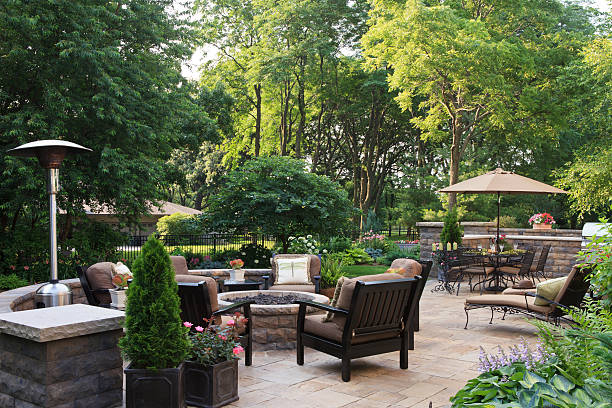
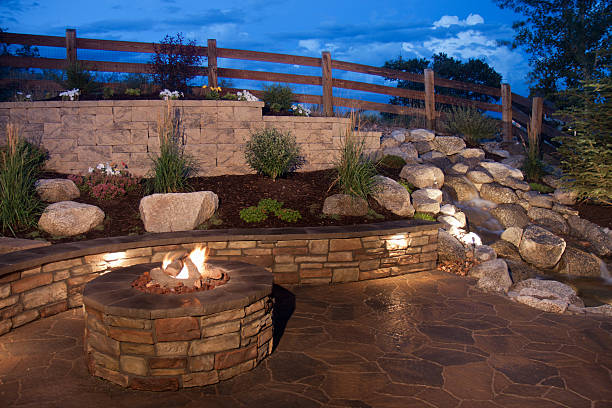
Large Garden Patio A beautifully designed garden patio with a fire pit. landscape design stock pictures, royalty-free photos & images

Exploring the Advantages of Using Biostimulants in Landscaping

Biostimulants have been gaining traction in the landscaping industry as a sustainable and effective way to enhance plant growth, improve soil health, and increase stress tolerance in plants. For professional landscapers, understanding the benefits of biostimulants and incorporating them into routine practices can lead to healthier lawns, improved plant resilience, and greater client satisfaction.

What Are Biostimulants?

  • Humic acids: Enhance soil structure and nutrient absorption.
  • Seaweed extracts: Promote root development and stress resistance.
  • Amino acids: Support enzymatic activities within plants.
  • Beneficial microbes: Improve soil fertility by breaking down organic matter.

By focusing on enhancing the plant-soil relationship, biostimulants provide long-term benefits that extend beyond short-term nutrient supplementation.

Key Advantages of Biostimulants in Landscaping

  1. Biostimulants help plants withstand environmental stresses such as drought, extreme temperatures, and heavy foot traffic.
  2. Enhanced root systems resulting from biostimulant use allow plants to access water and nutrients more effectively during periods of stress.
  3. By improving nutrient uptake mechanisms in plants, biostimulants reduce dependency on traditional fertilizers.
  4. Landscapers can achieve vibrant lawns with less chemical input, promoting eco-friendly practices.
  5. Many biostimulant products contain beneficial microbes like mycorrhizal fungi or nitrogen-fixing bacteria that enrich the soil’s microbial diversity.
  6. Healthier soil supports better water retention and aeration while reducing erosion risks.
  7. Whether caused by pests or physical wear-and-tear, lawns treated with biostimulants tend to recover more quickly due to improved root vigor and cellular repair processes.
  8. By minimizing reliance on synthetic fertilizers, landscapers can decrease runoff pollution in nearby water bodies.
  9. The use of natural substances aligns with sustainable landscaping practices that clients increasingly demand.

How to Integrate Biostimulants into Landscaping Practices

  • Conduct soil tests before application to determine specific lawn needs.
  • Apply biostimulants during key growth phases (e.g., early spring or fall) when plants are most receptive.
  • Pair them with other lawn care techniques such as aeration or overseeding for synergistic effects.
  • Use products that match your climate zone and grass species for optimal results.
Type of Biostimulant Primary Benefit Ideal Application Period
Humic Acids Improves nutrient uptake Spring or fall
Seaweed Extracts Enhances stress resistance During drought periods
Amino Acids Stimulates enzymatic activity Early spring
Beneficial Microorganisms Enriches soil microbial diversity Year-round

Final Thoughts

Integrating biostimulants into your landscaping strategy is not only a forward-thinking approach but also a practical one for achieving sustainable growth outcomes. By leveraging their unique ability to enhance both plant health and soil ecosystems, professional landscapers can deliver superior results while aligning with modern environmental standards.

Comprehensive Guide to Choosing the Best Lawn Fertilizers for Fall

Choosing the right lawn fertilizer during the fall season is essential for maintaining a healthy, vibrant, and resilient lawn. Fall is a critical time for grass as it recovers from summer stress and prepares for the winter months ahead. Selecting the appropriate fertilizer not only enhances root development but also ensures a lush green lawn come spring.

Why Fertilizing in Fall Matters

  • Stronger Roots: Promotes deeper and stronger root systems.
  • Winter Survival: Helps grass store energy to withstand harsh winter conditions.
  • Weed Prevention: Creates a dense turf that makes it harder for weeds to take hold.
  • Spring Readiness: Sets the stage for optimal growth when temperatures rise.

Key Nutrients in Lawn Fertilizers

Understanding what your lawn needs helps you choose the best product. Most fertilizers are labeled with three numbers (e.g., 20-10-15), which represent their nitrogen (N), phosphorus (P), and potassium (K) content.

Nutrient Purpose Ideal Fall Use
Nitrogen Encourages leafy growth Moderate levels for controlled blade growth.
Phosphorus Supports root development Higher levels aid roots preparing for winter dormancy.
Potassium Improves overall plant health and disease resistance Essential for cold tolerance and vigor.

Types of Lawn Fertilizers

  1. Slow-Release Fertilizers: Gradually release nutrients over time, providing consistent feeding without overgrowth risks. Ideal for long-term health during fall.
  2. Quick-Release Fertilizers: Deliver nutrients immediately but require more frequent application.
  3. Organic Fertilizers: Made from natural materials like compost or manure; they improve soil quality while feeding grass.
  4. Synthetic Fertilizers: Engineered formulations offering precise nutrient ratios; these work faster than organic alternatives.

How to Choose the Right Fertilizer

  • Grass Type: Cool-season grasses like Kentucky bluegrass or fescue benefit most from fall applications.
  • Soil Test Results: A soil test can reveal deficiencies in nutrients such as phosphorus or potassium.
  • Environment: Shady lawns may require different formulations compared to sun-exposed areas.
  • Weather Conditions: Apply fertilizer before expected rainfall or irrigate immediately after application.

Application Tips for Success

  1. Mow your lawn to an appropriate height before fertilizing (generally 2–3 inches).
  2. Use a broadcast spreader or drop spreader to distribute evenly across your yard.
  3. Avoid applying fertilizer near waterways or during heavy rain forecasts to reduce runoff risks.
  4. Water lightly after application unless rainfall is expected within 24 hours.

A well-planned fertilization schedule during fall supports both immediate recovery and long-term health, resulting in a stronger, greener lawn throughout all seasons.

Essential Steps for Core Aeration, Overseeding, and Top Dressing in Landscaping

To ensure a lush and healthy lawn, landscapers must prioritize core aeration, overseeding, and top dressing as part of their maintenance practices. These processes work in harmony to create strong root systems, improve soil health, and establish thick turf coverage. Below is a detailed guide to understanding and executing these essential steps effectively.

Core Aeration: Enhancing Soil Health

Core aeration is critical for alleviating soil compaction and promoting airflow to the root zone. It ensures nutrients, water, and oxygen can penetrate deep into the soil.

Key Benefits of Core Aeration:
– Relieves compacted soil that can hinder grass growth.
– Promotes deeper root development.
– Increases nutrient absorption by roots.
– Improves water infiltration and reduces runoff or puddling.

Steps for Effective Core Aeration:
1. Identify the Ideal Timing: Perform aeration during the lawn’s active growing season (fall for cool-season grasses; late spring for warm-season grasses).
2. Prepare the Lawn: Mow your grass shorter than usual to make aerating easier. Mark any sprinkler heads or obstacles to prevent damage during aeration. 3. Use the Right Equipment: Use a core aerator machine that removes small plugs of soil rather than simply spiking holes. 4. Focus on High-Traffic Areas: Pay extra attention to parts of the lawn subject to heavy foot traffic or machinery use. 5. Leave Soil Plugs Behind: Allow plugs to break down naturally over time as they return nutrients to the ground.

Overseeding: Boosting Turf Density

Overseeding involves spreading new grass seed over an existing lawn without tearing up the sod or soil beneath it.

Why Overseeding is Important:
– Thickens turf coverage by filling in bare spots or thinning areas. – Introduces newer grass varieties that may be more resistant to diseases, pests, or drought. – Helps lawns recover from summer stress more quickly.

Steps for Successful Overseeding:
1. Choose High-Quality Grass Seed: Select a seed mix compatible with your region’s climate and lawn type (e.g., Kentucky bluegrass for cool climates).
2. Mow Before Starting: Cut grass shorter than usual before overseeding so seeds can contact the soil effectively. 3. Spread Seeds Evenly: Use a broadcast spreader for uniform distribution across your property. 4. Water Consistently: Keep seeds moist with light watering 1–2 times daily until germination occurs (typically 7–21 days depending on species).

Top Dressing: Improving Soil Structure

Top dressing refers to adding a thin layer of organic material like compost or sand over an established lawn surface.

Advantages of Top Dressing:
– Enhances soil structure by increasing organic matter content. – Improves drainage while retaining moisture where needed. – Helps smooth uneven surfaces on lawns affected by settling or wear-and-tear.

Material Options Characteristics Best Application Scenarios
Compost Rich in nutrients; highly organic Poor soils lacking fertility
Sand Improves drainage; reduces compaction Clay-heavy soils
Loam Mix Balanced texture with moderate fertility General-purpose top dressing

Combining All Three Techniques

  1. Begin with core aeration to relieve compaction and prepare the soil for better seed-to-soil contact.
  2. Spread grass seed evenly across the newly-aerated surface during overseeding.
  3. Apply a light layer of top dressing over seeded areas to protect seeds from birds while improving soil conditions.

By following these steps diligently, landscapers can rejuvenate tired lawns and help homeowners achieve vibrant green spaces year-round without sacrificing long-term sustainability within their landscaping practices.


Key Factors to Consider for Lawn Care Boston, MA

evening oasis dusk in the landscaped garden landscape design stock pictures, royalty-free photos & images

Timing is everything, as it determines plant growth, soil readiness, and how efficiently you can carry out your project. Below is an overview of how seasonality impacts landscaping and guidance on choosing the best time to begin your work.

Before diving into a project, consider several elements that influence when you should start:
Climate and Weather: Local climate greatly affects planting schedules and project timelines.
Type of Project: Hardscaping (patios, walkways) may be less weather-dependent than planting trees or shrubs.
Plant Selection: Different plants have specific growing seasons for optimal establishment in your yard.

Best Times for Boston, MA Landscape Design Projects

  1. Why Spring?Spring is one of the most popular times for landscaping because many plants thrive when planted during this season. The mild temperatures and increased rainfall help roots establish quickly in the soil.
    • Planting flowers, shrubs, or trees that bloom in summer or fall
    • Installing irrigation systems before peak watering season arrives
    • Refreshing lawn areas with sod or seed
  2. Why Summer?While summer can be challenging due to high temperatures, certain projects like hardscaping are ideal during this time because dry weather provides stable conditions for construction work. However, keep in mind that mid-summer heat can stress new plants if proper watering is not maintained.
    • Building patios, decks, and outdoor kitchens
    • Adding mulch to beds to retain soil moisture
    • Installing shade structures like pergolas
  3. Why Fall?Autumn’s cooler temperatures are perfect for planting many types of perennials and trees as they focus on root growth rather than foliage development during this period.
    • Adding new trees or shrubs that require a dormancy phase before spring growth
    • Preparing garden beds with compost or fertilizer
    • Installing landscape lighting as daylight hours decrease
  4. Winter
    While winter is typically considered off-season for landscaping in colder regions due to frozen ground, it still offers opportunities in milder climates or when performing preparatory tasks indoors or on hardscaping features.

Seasonal Guide to Boston, MA Landscaping

Season Ideal Projects Key Benefits
Spring Planting flowers/shrubs; irrigation Easy plant root establishment
Summer Hardscaping; mulching; shade structures Dry weather aids construction
Fall Tree/shrub planting; lighting upgrades Ideal temperature & focus on root growth
Winter Planning/designing; Indoor prep More affordable contractor rates

Tips for Success Across All Seasons

  • Research local frost dates to avoid planting too early or late.
  • If working with professionals, book them early as their schedules fill up fast during peak seasons.
  • Regularly monitor weather forecasts since unexpected storms could delay progress.

Proper planning sets the stage for lasting success year-round.

Finding the Best Landscaping Style for Your Vision in Boston, MA

With a variety of landscaping styles available, choosing one can seem overwhelming. Below, we will explore how to identify the perfect design that aligns with your vision and lifestyle.

Factors to Consider When Choosing a Landscaping Style

  • Personal Preferences:Think about what inspires you in nature or design. Do you prefer formal gardens or naturalistic settings?
  • Climate:Account for local weather conditions when selecting plants, materials, and overall themes.
  • Property Architecture:Ensure the landscaping complements your home’s architectural style for a cohesive look.
  • Lifestyle Needs:Consider how you want to use the space—entertaining guests, relaxation, gardening, or recreation?
  • Maintenance Requirements:Choose a style that aligns with how much time and effort you’re willing to invest in upkeep.

Popular Landscaping Styles

Style Description Best Suited For
Modern/Minimalist Clean lines with sleek materials like concrete and metal; often features geometric shapes Contemporary homes; low-maintenance enthusiasts
Cottage Garden A mix of colorful flowers, winding paths, and charming accents Romantic settings; garden lovers
Mediterranean Drought-tolerant plants like lavender and olive trees paired with stonework Warm climates; rustic aesthetics
Japanese Garden Focuses on simplicity using water features, rocks, mosses, and serene plants Peaceful retreats; Zen-like spaces
Desert/Xeriscape Succulents, cacti, gravel pathways; designed for water conservation Arid regions; eco-conscious homeowners

Matching Your Vision with Functionality

  1. Create a mood board or visual representation of ideas that resonate with you.
  2. Assess how each idea fits within the practical constraints of size and terrain on your property.
  3. Collaborate with professional landscapers if needed to refine creative concepts into functional designs.

Tips for Harmonizing Your Landscaping Style

  • Use consistent materials throughout pathways, patios, fences, or furniture for visual unity.
  • Incorporate native plants to blend naturally into the surrounding environment while reducing maintenance needs.
  • Strike balance by mixing hardscape elements (e. g. , stone walls) with lush greenery for depth.

Selecting a landscaping style tailored to both aesthetics and functionality can significantly enhance your outdoor living experience while boosting your property’s value over time.

Finding Inspiration from Boston, MA Landscapes to Match Your Vision and Lifestyle

From modern minimalism to lush, nature-inspired designs, every style has its unique charm and purpose. Below, we’ll explore key factors to consider and popular landscaping styles to help you make an informed decision.

Factors to Consider When Choosing a Landscaping Style

  • Property Size and Layout
    The size of your yard or garden will influence which styles are suitable. For example, expansive properties can accommodate sprawling naturalistic designs, while smaller spaces thrive with minimalist or vertical gardens.
  • Climate and Soil Type
    Understanding your local climate conditions and soil type ensures that you choose plants and materials that will thrive in your region.
  • Maintenance Level
    Some landscaping styles require frequent upkeep (e. g. , English gardens), while others are more low-maintenance (e. g. , xeriscaping). Choose a style that fits within the time you can dedicate to maintaining it.
  • Personal Aesthetic Preferences
  • Functionality Needs
    If you frequently entertain guests or need play areas for children or pets, prioritize functionality alongside aesthetics.

Popular Landscaping Styles

Landscaping Style Key Features Maintenance Level
Modern/Contemporary Clean lines, geometric shapes, minimal plantings Low
Tropical Dense greenery, exotic plants like palms High
English Garden Vibrant flowers, lush greenery Medium to High
Japanese Zen Garden Minimalist design with rocks & water features Low
Mediterranean Drought-resistant plants like lavender Medium

Matching Landscaping Styles to Your Lifestyle

  1. For Busy Professionals:Modern/contemporary landscapes with drought-tolerant plants like succulents ensure beauty without requiring constant attention.
  2. For Nature Enthusiasts:Opt for naturalistic or woodland-inspired designs featuring native plants that attract birds and pollinators.
  3. For Families:A functional layout with durable surfaces (such as stone pavers) combined with safe lawn areas is ideal.
  4. For Entertainers:Consider Mediterranean-style patios or spaces with pergolas for alfresco dining setups.

Pro Tips for Bringing Your Vision to Life

  • Work closely with a landscape designer who understands both aesthetics and functionality.
  • Incorporate elements like pathways, seating areas, water features, or lighting systems that enhance the usability of the space.
  • Use mood boards or inspiration visuals to clarify what resonates most with your vision.

By carefully evaluating these factors above while exploring different styles, you’ll be better equipped to create a cohesive outdoor environment tailored perfectly for you.

Transform Your Outdoor Space with the Best Landscapers Boston, MA Has to Offer

With the right landscaping ideas, you can make any outdoor area feel like an extension of your home. Below are innovative and smart landscaping ideas that can completely revamp your space, no matter its size or shape.

If you have limited yard space, vertical gardening is an excellent solution. It allows you to maximize greenery without taking up valuable ground area.
Wall-mounted planters: Great for herbs, flowers, or succulents.
Trellises with climbing plants: Use ivy or flowering vines like jasmine for natural beauty.
Hanging baskets: Add depth and visual interest to porches or balconies.

Vertical gardens not only save space but also improve air quality around your home.

Designing specific zones in your landscape can make the space more functional and visually appealing.
Relaxation areas: Add comfortable seating under shaded pergolas or gazebos.Dining areas: Install an outdoor dining set with hardscaping like stone patios.Play zones: Include a grassy area for kids or pets to play safely.

Defining areas with pathways, hedges, or decorative stones creates organization while maintaining flow.

For many homeowners, low-maintenance landscaping is a priority. Incorporate native plants that thrive naturally in your region’s climate without excessive watering or care needs.
| Climate | Examples of Low-Maintenance Plants |
|————————|—————————————————-|
| Drought-prone regions | Succulents, lavender, ornamental grasses |
| Temperate climates | Hostas, ferns, hydrangeas |
| Tropical environments | Bamboo palms, bird of paradise |

Proper lighting enhances safety and creates ambiance during evening hours.String lights over patios:Adds charm for nighttime gatherings.Solar-powered pathway lights:Eco-friendly way to illuminate walkways.Spotlights on trees or garden features:Highlight focal points in your landscape design.

Smart lighting systems allow you to automate schedules or adjust brightness with ease.

Water features are timeless additions that bring relaxation through soothing sounds and visual beauty. Options range from small-scale fountains to elaborate ponds and waterfalls: – Install a fountain as a centerpiece in your garden. – Consider a koi pond for added life and movement. – Add a modern water wall for contemporary aesthetics.

Water features create tranquility while also attracting wildlife such as birds and butterflies.

Designing an environmentally-friendly landscape not only benefits the planet but also reduces long-term maintenance costs: – Use permeable pavers to minimize runoff. – Install rain barrels to collect water for irrigation needs. – Opt for composting instead of chemical fertilizers.

Sustainable practices help preserve resources while keeping your yard healthy year-round.

By incorporating these creative ideas into your landscaping project, you can transform even the simplest outdoor spaces into stunning sanctuaries that reflect both beauty and functionality—perfectly tailored to meet your lifestyle needs.

How to Budget for a Stunning Landscape Design in Boston, MA

Whether you’re planning a small garden makeover or a large-scale landscape redesign, understanding the potential costs can help you allocate resources effectively and avoid financial surprises. Here’s a comprehensive breakdown of factors to consider when budgeting for a stunning landscaping project.

Factors Affecting Landscaping Costs

  1. Small projects like planting flower beds or adding shrubs typically cost less.
  2. Larger projects, such as installing patios, walkways, or water features, require more significant investment.
  3. Simple designs with minimal elements tend to be more cost-effective.
  4. Intricate layouts with custom features (e. g. , outdoor kitchens, ponds) involve higher costs due to labor and materials.
  5. Natural stone, high-quality wood, or premium plants will increase costs compared to budget-friendly alternatives like mulch or composite materials.
  6. Hiring professionals will ensure quality results but comes with labor expenses ranging from $50-$150/hour depending on location and expertise.
  7. Low-maintenance designs typically have lower ongoing costs than high-maintenance landscapes requiring frequent care like mowing, trimming, and fertilizing.

Average Cost Breakdown

Feature/Service Estimated Cost Range
Basic Lawn Care $500 – $2,000
Patios/Walkways $1,500 – $10,000+
Retaining Walls $2,000 – $7,000+
Water Features $2,500 – $15,000+
Full Landscape Design $5,000 – $50,000+

Note: Prices may vary based on location and contractor.

Tips for Budget-Friendly Landscaping

  • DIY Where Possible:Simple tasks like planting flowers or spreading mulch can save on labor costs.
  • Prioritize Features:Focus on key elements that deliver the most impact within your budget.
  • Consider Phased Projects:Split large projects into smaller phases over time to manage expenses.
  • Choose Native Plants:Native species are more affordable and require less maintenance.
  • Reuse Materials:Incorporate salvaged stones or bricks into your design for cost-effective solutions.

Hidden Costs to Be Aware Of

  • Permits: Depending on your project scope and local regulations.
  • Drainage Solutions: Essential for preventing water damage in poorly draining areas.
  • Soil Preparation: May include grading or soil amendments for proper plant growth.
  • Maintenance: Ongoing care should be factored into long-term budgets.

Investing wisely in your landscaping project can enhance not only the aesthetic appeal of your property but also its value over time.

Beautiful Backyard Fire Pit and Seat Wall An amazing and beautiful backyard fire pit, seat wall and water feature. Inspiring ideas for backyards landscape design stock pictures, royalty-free photos & images
Seasonal Guide to Hiring the Best Landscaper Boston, MA Has to Offer

Landscaping requires planning and adaptation to seasonal changes.

Spring: Preparation and Planting

Spring is ideal for reinvigorating your landscape after winter. The warming temperatures allow plants to thrive, making it the perfect time for planting and maintenance.


Soil preparation: Test and amend soil pH levels, add compost, and fertilize as needed.
Planting: Focus on flowers, shrubs, or trees that flourish when introduced in spring, such as pansies, tulips, or dogwoods.
Weeding: Remove weeds early before they spread.
Pruning

Spring is also a time for lawn care.

Summer: Maintenance and Drought Management

During summer’s heat, landscapes require diligent care to stay healthy and vibrant. Proper watering techniques are critical this season as plants may experience stress due to high temperatures.

Key tasks include: – Watering: Use drip irrigation systems or water deeply in the early morning to prevent evaporation.MulchingPest ManagementDeadheading Flowers: Remove spent blooms from flowering plants to encourage continuous blooming.

For lawns during summer, avoid cutting grass too short—this helps retain moisture in the soil while reducing stress on the roots.

Fall: Cleanup and Preparation for Winter

Fall prepares your landscaping for the challenges of winter while setting up a strong foundation for spring growth.

Tasks that should be prioritized: – Planting Perennials & Bulbs: Fall is ideal for planting daffodils, lilies, or tulip bulbs that will bloom in spring.Leaf CleanupFertilizing: Apply an autumn-specific fertilizer with higher potassium content to strengthen roots before winter dormancy.Composting Leaves & Debris: Turn organic debris into compost material for future use.

Winter: Protecting & Planning Ahead

While winters limit certain landscaping activities due to snow or frost conditions in many regions, it remains an essential period for maintenance tasks.

Winter activities should include: 1. 2. 3. Updating garden plans by evaluating past successes or failures from previous seasons—design new layouts where needed.

If you reside in areas with mild winters where snow doesn’t dominate landscapes entirely: – Prune deciduous trees during dormancy since there’s minimal risk of disease spread. – Consider planting hardy vegetables like kale if you maintain edible landscaping projects year-round.

Season Key Focus Areas Recommended Tasks
Spring Growth preparation Soil testing, planting flowers/trees/shrubs
Summer Maintenance & drought management Watering deeply; pest control
Fall Prepping for winter Fertilizing; planting perennials/bulbs
Winter Protection & future planning Tool cleaning; plant protection routines

By focusing on season-specific tasks throughout the year, you can maintain a healthy landscape that thrives regardless of weather changes.

Top Tips from Landscaping Companies in Boston, MA for Winter Success

Winter may not be the most popular season for landscaping, but it can still be an effective time to plan, prepare, and even execute certain landscaping projects. Below, we outline how you can make the most of winter landscaping.

Benefits of Winter Landscaping

  • Less Competition for Contractors: Many people delay their projects until spring or summer, so landscapers may have more availability during the winter months.
  • Easier to Spot Structural Issues: Without dense foliage or blooms, it’s easier to identify problems like poor drainage or dying plants that need replacement.
  • Healthier Plants Come Spring: Planting certain trees and shrubs during dormancy allows their roots to establish before active growth begins in warmer weather.

Winter Landscaping Projects You Can Undertake

  1. Pruning trees in winter helps improve their structure while reducing disease risks since pests are less active.
  2. It also allows you to shape trees without interfering with growth cycles.
  3. Install patios, walkways, retaining walls, or fire pits since these tasks don’t rely on growing conditions.
  4. Frozen ground in some regions makes it easier for equipment to operate without damaging soft soil.
  5. Certain hardy shrubs, evergreens, and bare-root plants do well when planted during dormancy.
  6. This gives their roots time to establish before spring growth kicks in.
  7. Incorporate snow-resistant plants or structures designed to manage snow loads effectively.
  8. Consider adding salt-tolerant plants near driveways or pathways where de-icing chemicals are used.

Tips for Successful Winter Landscaping

  • Use Cold-Hardy Plants: Choose species adapted to survive freezing temperatures such as junipers, hollies, and dogwoods.
  • Mulch Effectively: Apply a layer of mulch around trees and shrubs to insulate roots from temperature fluctuations.
  • Monitor Soil Conditions: Ensure soil isn’t frozen solid before planting; slightly thawed soil is ideal for working.
  • Equip Properly: Use tools designed for cold weather conditions like insulated gloves and frost-proof shovels.

Common Challenges of Winter Landscaping

Challenge How to Tackle It
Frozen Soil Use heating blankets or wait for brief thaws before digging.
Limited Plant Availability Plan ahead by sourcing dormant plants early from nurseries.
Safety Concerns Wear proper gear to prevent slips on icy surfaces.

By understanding these challenges and preparing accordingly, you can turn potential obstacles into opportunities.

Why Planning Matters During Winter

  • Design garden layouts while your yard’s structure is more visible without overgrown foliage.
  • Research plant varieties so you’re ready when planting season begins.
  • Consult with professionals about long-term maintenance strategies tailored to your property’s needs.

Winter landscaping isn’t just possible—it can be highly productive when approached thoughtfully.